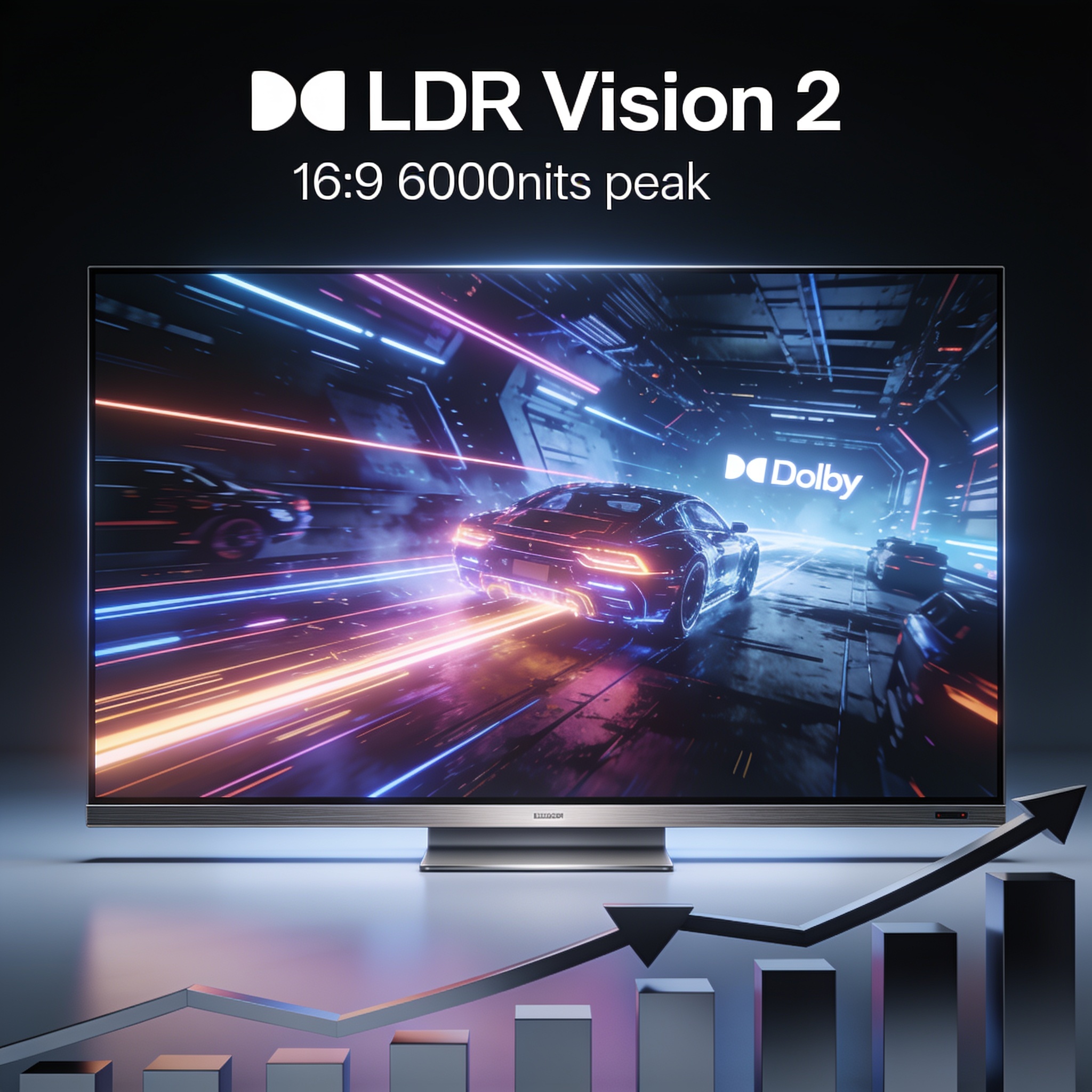
The television market is experiencing a rapid escalation in screen brightness, with new models capable of producing light levels previously reserved for outdoor displays. Data collected by CNET Labs indicates that peak brightness has jumped from around 1,000 nits in previous years to over 4,500 nits in current high-end units. The latest TCL QM8L model was advertised with a capability of up to 6,000 nits, a figure that places it in the range of commercial sporting displays rather than home entertainment equipment.
The Shift in Technology
This dramatic increase is primarily driven by advancements in LED-based backlighting, specifically Mini-LED and Micro-LED technologies. These innovations allow manufacturers to pack thousands more light sources into a single panel compared to traditional LED arrays. The Hisense U8QG measured at over 4,000 nits during testing, while the TCL X11K and LG G5 also achieved record-breaking figures. However, the move to OLED technology has seen more modest gains; LG's four-stack OLED design boosted the G4's brightness significantly, but subsequent models like the G6 have shown only minor increases.
Accuracy vs. Peak Output
A critical distinction exists between the maximum brightness advertised and the brightness experienced during normal viewing. In store environments, TVs are set to Vivid or Shop modes to maximize visual impact, often creating an eye-searing effect. When switched to color-accurate settings such as Movie or Filmmaker mode, many of these high-brightness panels drop to approximately half their peak output. For instance, the TCL X11L and LG G5 exhibit significant reductions in luminance when calibrated for accuracy. This discrepancy occurs because manufacturers can manipulate color temperature, making screens appear brighter through blue-ish tints that do not reflect true-to-life imagery.
Practical Implications for Viewers
Despite the marketing focus on extreme nit counts, most content does not require such intense illumination. Standard High Dynamic Range (HDR) content is typically mastered for 1,000 nits or 4,000 nits, yet reliable methods to match TV output to specific content requirements remain limited until future updates arrive. While running a TV at maximum brightness continuously can degrade diode life and increase burn-in risks on OLED panels, the extra luminance provides tangible benefits in specific scenarios.
Gaming remains the primary use case where high brightness offers a noticeable advantage. Fast-paced titles like Call of Duty benefit from the enhanced contrast and immersion provided by higher nits, allowing players to distinguish details in bright scenes that might otherwise wash out on lower-output displays. Conversely, movies set in dark environments rely heavily on shadow detail rather than peak brightness, meaning dimmer models like the LG C4 or Hisense QD7 can still deliver excellent picture quality.
What it means
For consumers considering a purchase, the abundance of brightness specifications may be less relevant than once thought. Most viewers will find that TVs measuring under 1,000 nits in accurate mode provide sufficient performance for streaming services and console gaming. The push toward Micro-LED and Micro-RGB suggests a potential industry pivot toward improved color volume rather than sheer lumens in the near future.
Future developments such as Dolby Vision 2 aim to bridge the gap between hardware capability and content delivery, potentially allowing budget and premium TVs alike to utilize higher brightness levels effectively. Until compatible content arrives, likely within 12 months, the immediate utility of 6,000-nit panels remains largely confined to gaming demos and showroom comparisons. Buyers should prioritize color accuracy and contrast performance over maximum nit ratings unless they plan to use the display in exceptionally bright rooms.
If you were shopping for a new TV today, would you prioritize the highest possible brightness rating or focus on color accuracy and price point instead?