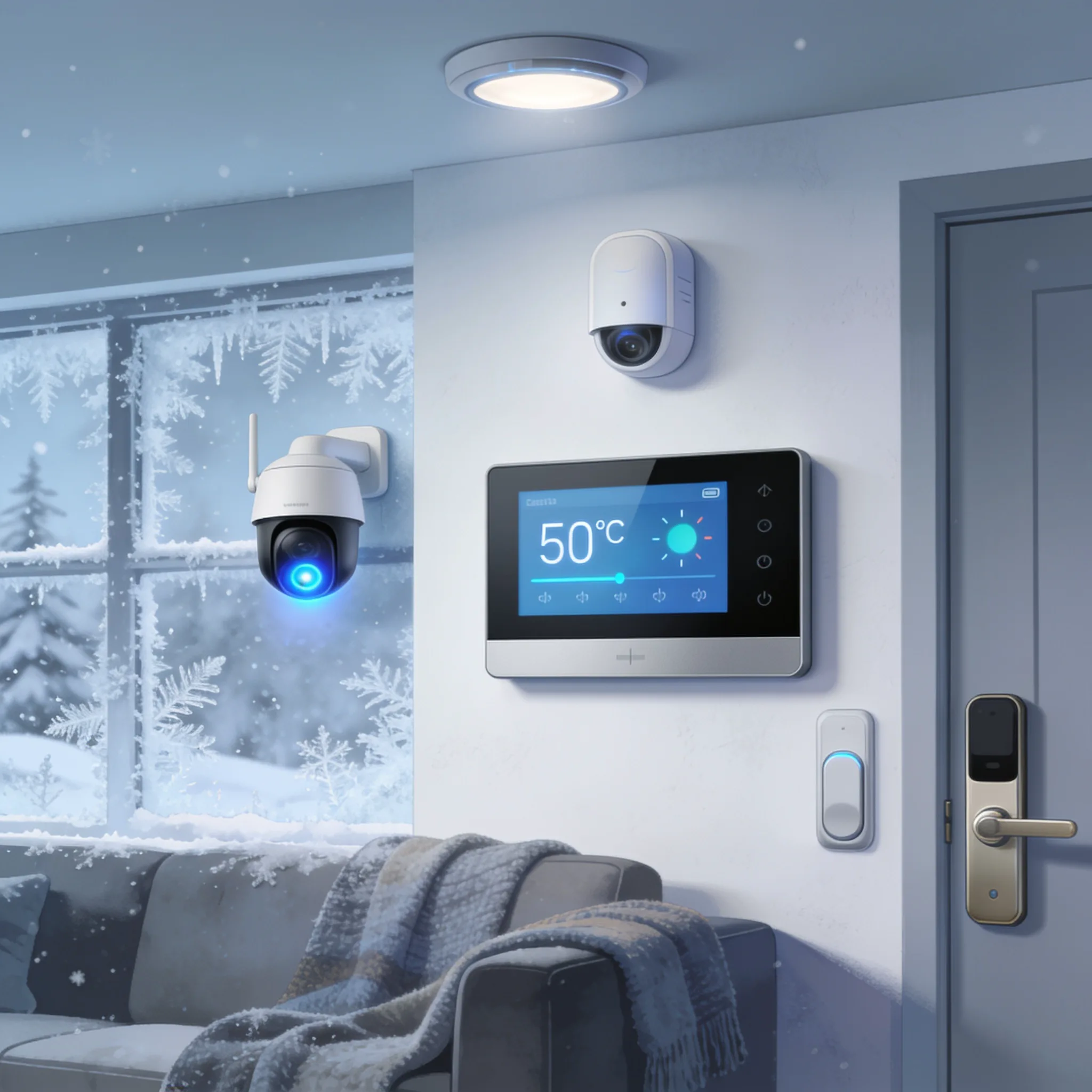
Homeowners planning winter getaways can use smart technology to maintain security and energy efficiency while away from their residences. CNET senior editor Tyler Lacoma outlines essential steps for managing connected devices during extended absences, applicable to both homeowners and renters.
Thermostat Adjustments
Smart thermostats like Nest models offer vacation modes that allow remote temperature control. Before departing, users should set temperature thresholds slightly colder in winter or warmer in summer than typical daytime settings. This approach saves energy without requiring constant manual adjustments while traveling.
Lighting and Window Shade Schedules
Leaving televisions on no longer deters burglars effectively. Instead, smart switches and light bulbs should be programmed to turn on and off at varying times throughout the day, mimicking normal household activity. Outdoor lights should activate at night only. Automated window shades should remain closed to prevent outsiders from viewing interior spaces.
Smart Lock Access Management
Traditional key hiding methods pose security risks. Smart locks enable owners to create temporary digital keys or keypad codes for pet sitters, plant caretakers, or neighbors. These access credentials expire automatically upon return. Users can review access history logs to monitor entry attempts remotely.
Garage Door Security
Garages represent common intruder entry points. Smart garage controllers allow status monitoring and remote operation of garage doors. For those without smart controllers, security cameras positioned to view garage areas provide alternative surveillance. Side doors and windows must remain secured.
Cameras and Security System Checks
DIY security systems and professionally monitored services require pre-departure verification. All motion sensors, cameras, doorbells, and locks need fresh batteries and enabled notifications directed to emergency contacts. Camera lenses must be clean and unobstructed. Motion sensitivity settings should return to maximum vigilance levels if previously reduced.
Environmental Detectors
Smoke, carbon monoxide, and leak detectors need battery checks and firmware updates before travel. Devices not connected to live monitoring services should send alerts directly to mobile devices so trusted individuals can investigate suspicious notifications. Some sensors monitor ambient conditions like temperature drops or loud noises indicative of alarms.
Appliance Scheduling
Robot vacuums and scheduled appliances should be turned off when no one occupies the home. Continuous operation wastes battery life and may trigger false alarms if motion detection sensitivity increases. Users should review all managed devices to confirm appropriate power states.
Human Oversight Recommendations
Technology cannot replace human presence entirely. Hiring trusted pet sitters or plant caretakers who visit regularly provides additional security layers. These individuals can verify equipment functionality and respond to physical issues that automated systems might miss.
What it means
Travelers with smart home devices face practical decisions about balancing convenience with security during extended absences. Most adjustments involve simple setting changes rather than new purchases, though adopting certain technologies like smart locks or garage controllers offers enhanced control. Renters benefit equally since many solutions work without permanent installation.
Uncertainty remains regarding whether fully automated systems can match human judgment in detecting unusual circumstances. Technology serves as a tool rather than complete replacement for traditional precautions like neighborly watchfulness. Users must ensure notification systems reach appropriate contacts and that devices maintain connectivity throughout their absence.
Would you rely solely on smart home automation for vacation security, or do you prefer combining technology with trusted human oversight?