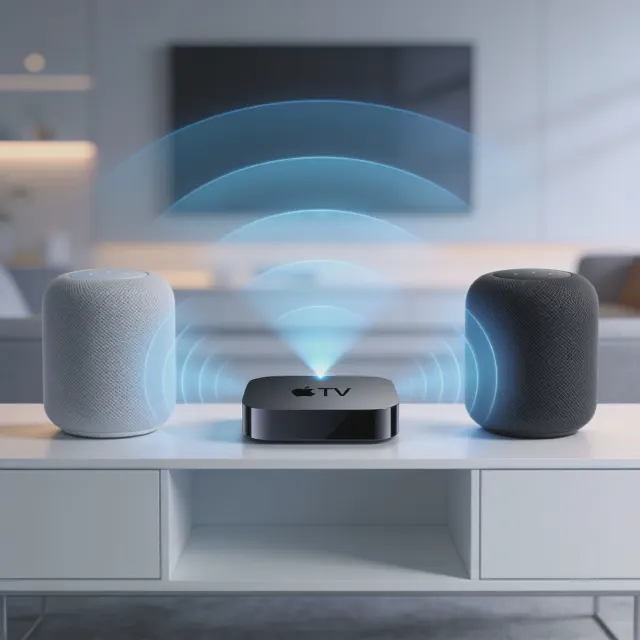
The difference between cheap and expensive sound systems is less about raw power and more about matching equipment to room size and viewing habits. While spending more does not guarantee a better fit, clear distinctions emerge as prices climb from entry-level models to premium home theater setups.
Under $250: Basic Dialogue Enhancement
Models in this range focus on improving everyday TV audio without complex setup requirements. A 2.0 or 2.1 configuration typically includes stereo channels with an optional subwoofer for deeper bass. The Hisense HS2100 at approximately $120 demonstrates how wireless subs add presence compared to standalone bars. At just under $200, systems like the Hisense HS5100 expand to 5.1-channel setups with rear satellite speakers, providing physical surround sound without relying solely on processing simulation.
$250 to $499: Immersive Features and Connectivity
This price bracket introduces more sophisticated hardware including eARC support, Wi-Fi streaming, and upward-firing drivers for Dolby Atmos. The Hisense AX3120Q at around $280 offers a 3.1.2-channel configuration with dedicated height channels for overhead effects. Higher-end options in this segment include graphic equalizers and independent channel adjustments, though many still rely on virtual surround techniques rather than separate rear speakers.
$500 to $1,000: Premium Refinements
Systems in this range prioritize customization and output consistency. The Samsung HW-Q800F provides 5.1.2-channel audio with side-firing drivers for virtual surround, while the JBL Bar 1000MK2 features detachable battery-powered satellite speakers for flexible physical surround placement. Room correction technology and automatic adjustment based on speaker positioning become standard features.
Dedicated Home Theater Systems
Component-based systems using AV receivers offer greater control over speaker placement and future upgrades. A basic 5.1 setup with left, right, center, rear, and subwoofer speakers creates more convincing spatial audio than soundbar simulations. Modular options like LG's FlexConnect allow flexible arrangements without traditional wiring constraints.
What it means
For most viewers watching news, sports, or casual content in small to medium rooms, a soundbar under $250 delivers noticeable improvements over built-in TV speakers without requiring significant investment. The jump from TV audio to entry-level sound systems produces the most dramatic perceptible change.
Higher-priced systems matter primarily for large spaces, serious movie enthusiasts, or gamers seeking immersive experiences. However, room acoustics, furniture placement, and listening distance often limit what expensive equipment can achieve regardless of specifications. Before purchasing premium gear, repositioning existing speakers may yield comparable benefits at no additional cost.
Do you find yourself upgrading your audio setup regularly, or do you prefer sticking with one solid system for years?