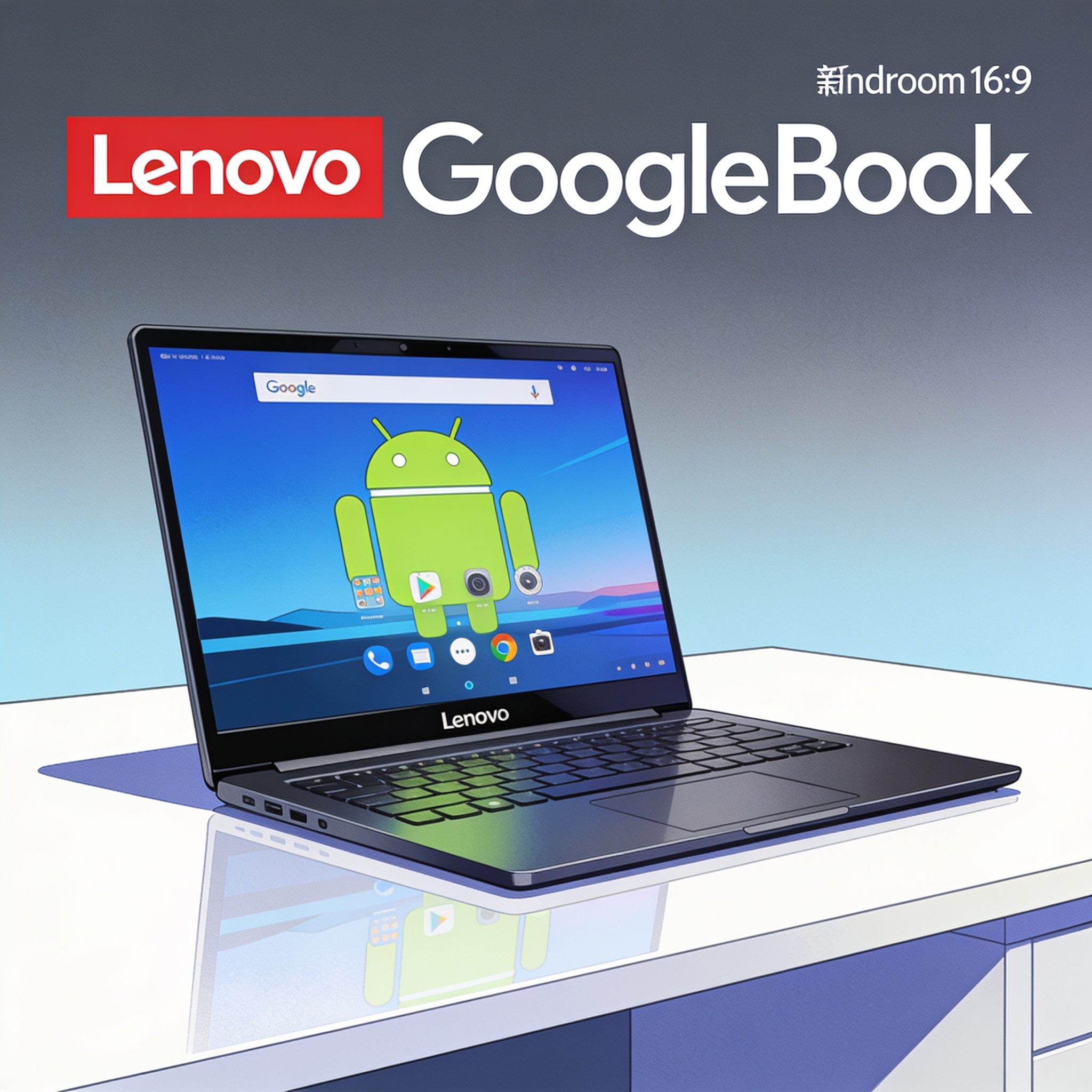
Lenovo’s Googlebook 15 features a premium chassis, a 15.3-inch 120Hz OLED display, and a light, silk-touch finish. The laptop weighs about 2.85 pounds and uses a mix of materials including plastic, carbon fiber, and magnesium-aluminum alloy, with a fingerprint sensor, physical webcam shutter, and a lightbar on the lid. It ships with at least 16GB of RAM and an Intel Core Ultra 5 325 chip with 256GB base storage, delivering solid productivity performance for its price range.
Googlebook OS aims to fuse Android-style apps and Chrome OS-like usability into a single experience, featuring cross-device sharing, Gemini tools, and a unified ecosystem around Android devices. Setup mirrors familiar Windows-like multitasking, notifications, and a bottom taskbar. However, the software layer requires more polish: app compatibility is segmented into multiple levels, many apps run the mobile version rather than desktop-grade software, and some experiences—such as casting and file transfers—can be uneven or limited.
The review notes strong hardware synergy with Android devices, enabling easy task handoffs and notifications continuity between phone and laptop. Yet performance can feel constrained by mobile-optimized apps, and some desktop-like expectations (wide window maximize, consistent app behavior) aren’t fully realized. Battery life is adequate but not exceptional for a 15-inch device with a large 70Wh battery, delivering around eight hours of real-world use and around eight and a half hours of local video playback, which lags behind higher-end Windows machines.
Overall, the Googlebook 15 demonstrates Lenovo’s strengths in hardware while exposing the early-stage nature of Googlebook OS. For hardcore Android enthusiasts, the ecosystem offers meaningful benefits; for others, the platform may require patience until more apps and refinements land.


Leave a comment
Your comment appears after you verify your email. We replace % $ { } [ ] < > with periods and display the text safely.
Published comments (0)
No comments yet. Start the conversation.