A writer used the iPhone 18 Pro Max as the primary camera during a two-week trip to Japan, exploring Tokyo, Kyoto, and Osaka. The phone’s new camera system includes manual controls for focus, four-lens aperture options, shutter speed adjustments, white balance, and a variable aperture main camera that ranges from f/1.48 to f/4. The f/4 setting produces a starburst effect on bright light sources, which the author uses to add drama to shrine reflections and street scenes. The camera also introduces Photographic Styles with film-like looks and grain, allowing subjective color and texture without post-processing. The editor summarizes that these features make the iPhone 18 Pro Max the most fun camera system Apple has offered in this generation, though they are described as minor upgrades over the 16 Pro and 17 Pro. The user notes that starbursts and grain can improve otherwise mundane shots, and that adjustable shutter speeds enable creative tracking of moving subjects, such as vehicles and pedestrians, with handheld stability. Battery life is described as improved, lasting through the day with careful usage, and heat dissipation is better than previous models; caseless operation is suggested to mitigate warmth. The reviewer also documents some usability caveats: the manual controls’ placement may hinder one-handed operation, and the Camera Control page lacks access to the new manual features. They express a desire for more customizable Photographic Styles, including separate styles for front and back cameras. The reviewer concludes the iPhone 18 Pro Max offers tangible upgrades for travelers and creators, particularly in battery life and heat management, while acknowledging some software and UI refinements could improve the experience.
iPhone 18 Pro Max camera upgrades spark creative travel journaling in Japan
New manual controls, variable aperture and Photographic Styles add drama to shots during a two-week Japan trip
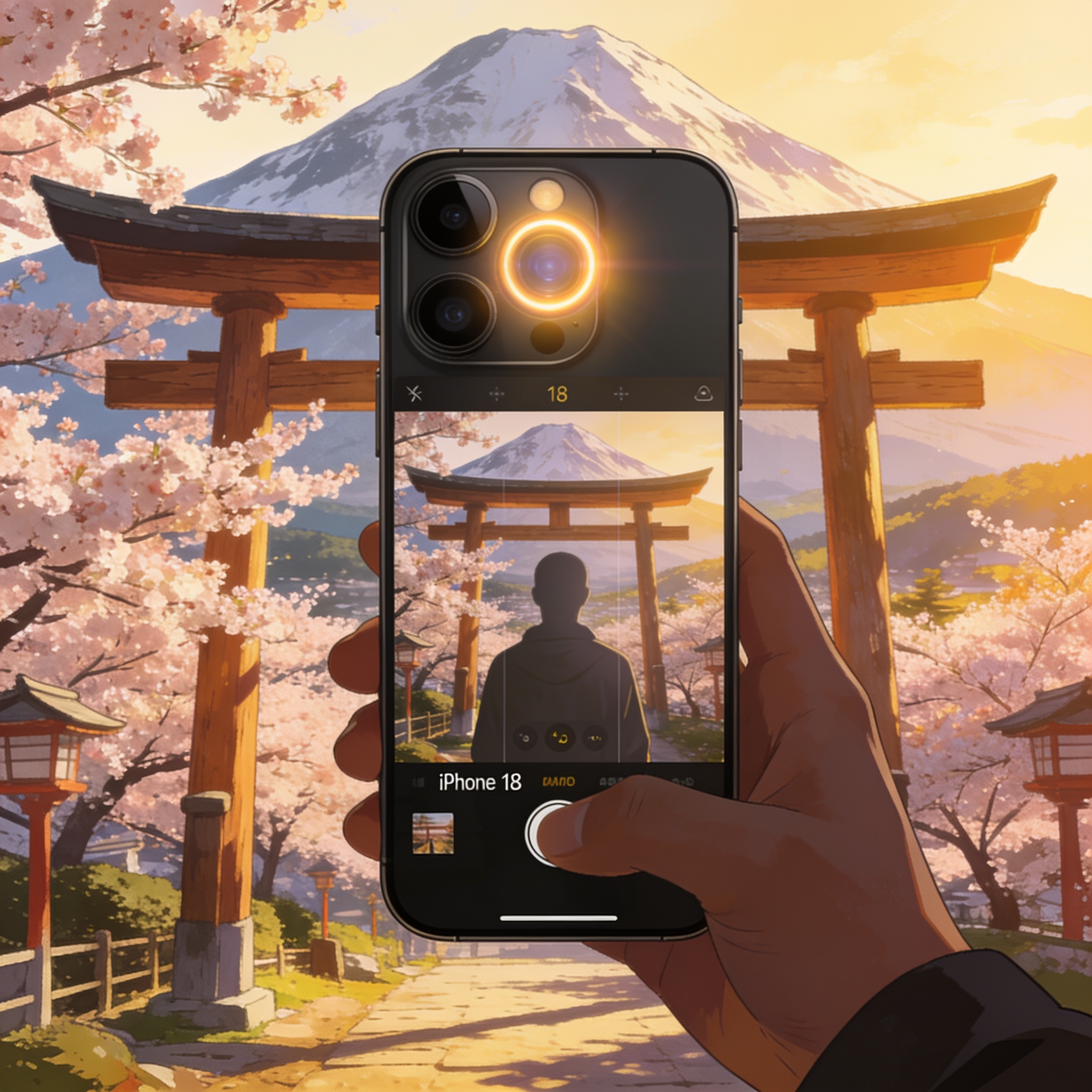
A CNET test of Apple's iPhone 18 Pro Max during a two-week trip to Japan highlights new camera features, including manual controls, a variable aperture, and Photographic Styles, that encouraged experimentation and creative framing, with mixed notes on usability and battery life.
Share this story