Smart collars are marketed as GPS pet trackers, but many devices also monitor health metrics such as heart rate, activity, sleep, and even behavior like barking or scratching. Veterinarians say wearables can help identify trends over time and provide context for changes in a pet’s routine, but they are not diagnostic tools and should not replace regular veterinary care. They may be particularly helpful for senior pets, those in weight-loss programs, or animals with chronic conditions, or during recovery from injury or surgery. Owners should focus on determining what problem they want the device to solve and choose features accordingly, prioritizing data quality, legitimate validation, and easy data export to share with a vet. There are downsides, including potential false alarms or misreadings, varying accuracy across devices, and ongoing subscription costs. The best approach is to use wearable data as a supplement to direct observation and professional care, not as a standalone health assessment.
Do You Really Need a Smart Pet Collar? Veterinarians Weigh In
Experts say wearables can help track trends and inform care, but aren’t a replacement for veterinary visits.
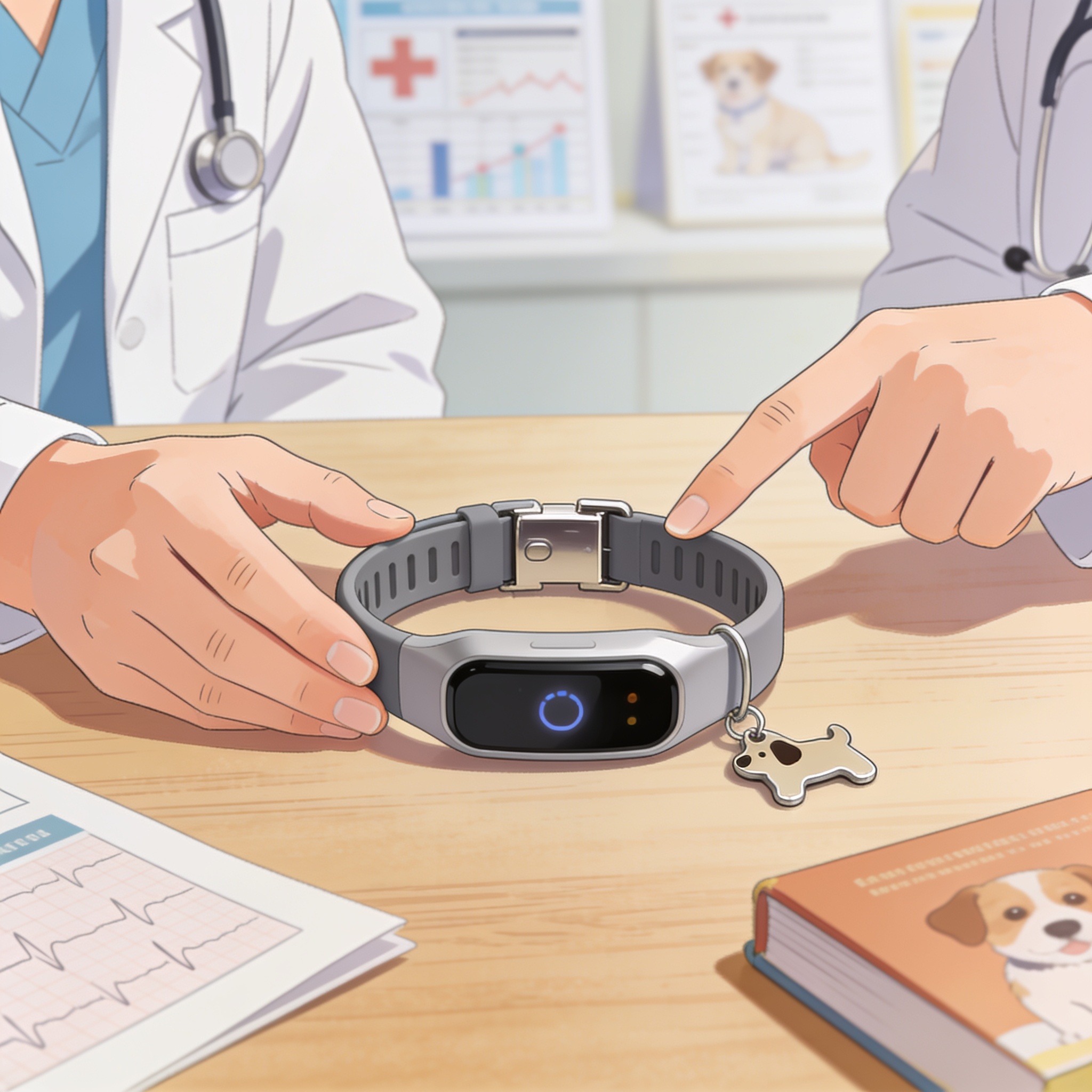
Veterinarians discuss the usefulness, limitations, and costs of smart pet collars that monitor health metrics alongside GPS tracking, emphasizing that data should complement, not replace, veterinary care.
Share this story


Leave a comment
Your comment appears after you verify your email. We replace % $ { } [ ] < > with periods and display the text safely.
Published comments (0)
No comments yet. Start the conversation.