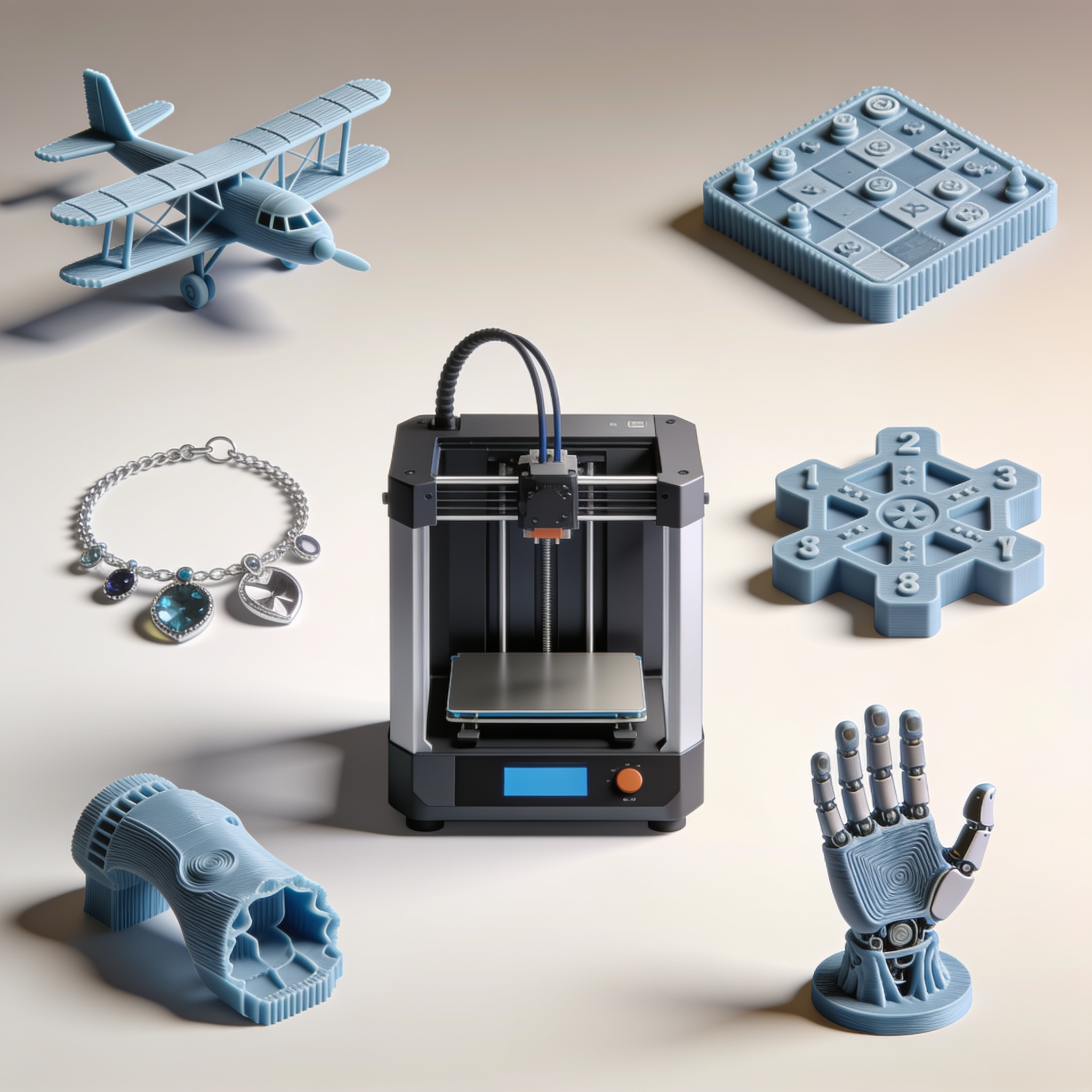
3D printers can cut costs on a range of hobbies by producing replacement parts and bespoke accessories. Entry-level models start around $170, with more advanced systems rising to $700 or more. Filament costs begin near $20 per kilogram, and a simple calculation can show potential savings when making multiple items.
Drones: enthusiasts can print spare parts like camera mounts or protective housings. Critical flight components should not be printed until material and design are validated, but non-critical parts can be reproduced to save money and speed up replacements.
Gardeners and gearheads: components for vehicles or garden tools can be printed, including planters, clips, signage, and even interior car parts. Printing can provide cheaper or more readily available alternatives for specialized items.
Home automation: 3D printing enables custom housings, cable management, wall mounts, and novel button mechanisms. Hobbyists can print components for smart home setups, such as a NFC-based access sign or a chassis for a touchscreen controller, at a fraction of off-the-shelf prices.
Photography and videography: universal lens caps, clamps, battery holders, and mounts can be printed as cheaper alternatives to branded parts. The ability to customize CAD files enables tailored tools for specific shoots.
Dungeons & Dragons and model making: gamers and modelers can printing miniatures, terrain, and track-side features, with resin printers offering high-detail parts for certain needs. A thriving ecosystem of printable models exists for hobbyists.
Practical considerations: evaluating how often you will use a printer, your skill level, and ongoing operating costs is essential before buying. Adequate ventilation and space are important, and you may want to start by using someone else’s printer to test suitability before purchasing.


Leave a comment
Your comment appears after you verify your email. We replace % $ { } [ ] < > with periods and display the text safely.
Published comments (0)
No comments yet. Start the conversation.