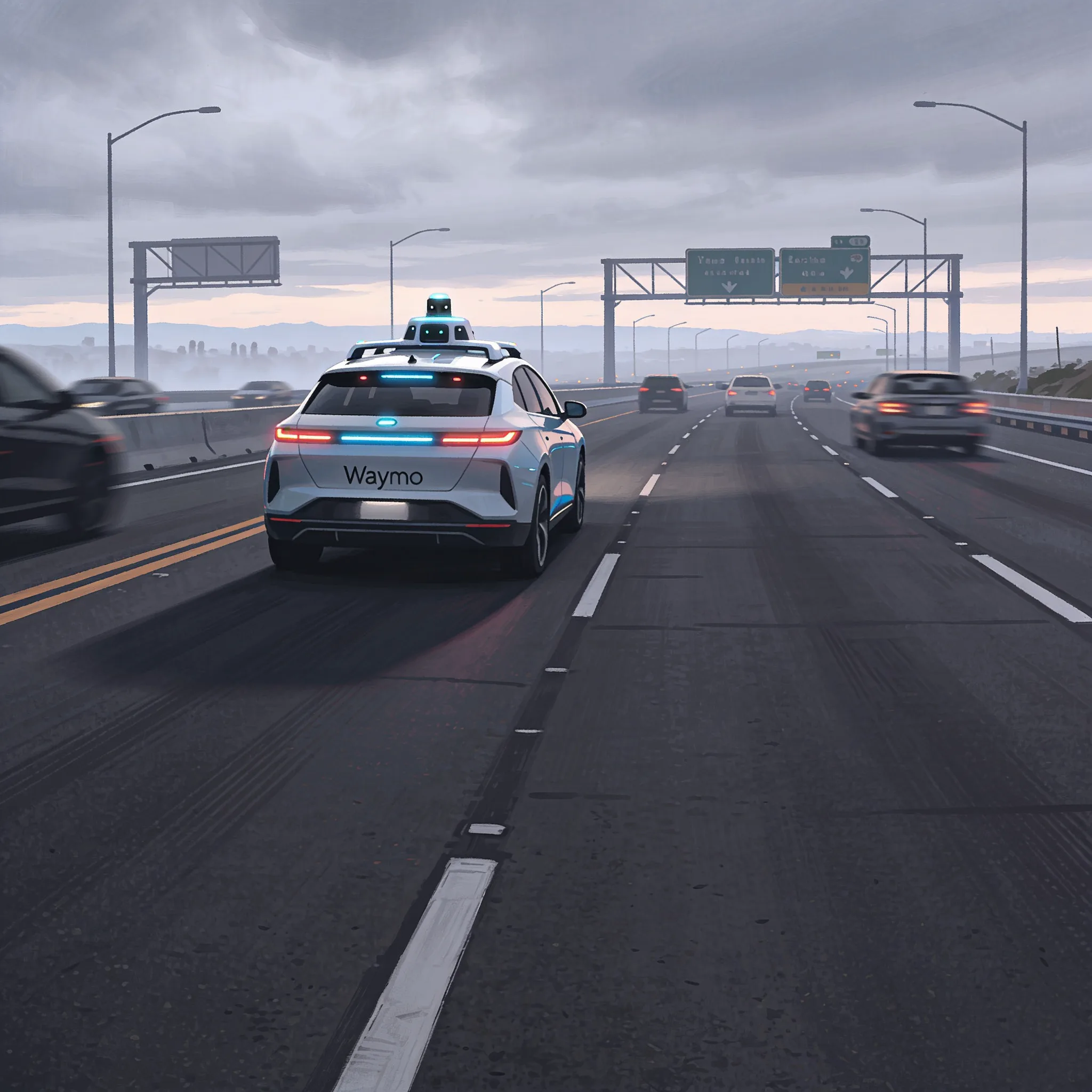
Waymo robotaxis can no longer operate on California freeways following an operational restriction issued by the state's Department of Motor Vehicles on November 11. The DMV determined that Waymo's driverless freeway operations pose an imminent hazard to public safety due to recurring incursions into active construction zones.
The regulatory action came after three Waymo autonomous vehicles entered an active construction closure on U.S. Route 101 near Burlingame. A separate incident involved California Highway Patrol vehicles on Highway 280 in San Francisco. These events occurred despite prior restrictions and corrective actions implemented following similar incidents on May 18, 2026.
Waymo has complied with the DMV order by preventing its robotaxis from accessing freeways in any of the 15 U.S. cities where it operates commercial services. The company stated it is temporarily restricting freeway operations across all markets to evaluate its performance.
Dana Gallagher, a Waymo spokesperson, confirmed the company's response to the situation. She emphasized that safety remains central to their operations and noted that recent freeway construction zone encounters did not involve injuries or collisions. The ride-hailing service continues to operate safely on surface streets, serving over half a million trips each week.
Freeway access became a key component of Waymo's expansion strategy when the company began offering such rides in late 2025. This capability allowed riders to reach airports and other destinations more efficiently by avoiding slower surface streets. In the San Francisco Bay Area, freeway access dramatically shortened Peninsula trips that previously took 45 minutes or more than an hour.
Waymo had previously stopped highway operations in May before returning to freeways in July after updating its self-driving software system to improve performance around construction zones. The DMV stated that restrictions will remain in place until Waymo demonstrates effective corrective actions to address the identified deficiencies.
What it means
This suspension affects passengers using Waymo's service in major metropolitan areas across the United States. Riders who relied on freeway routes for faster travel times to airports, Silicon Valley, and other distant destinations will experience longer trip durations as the service reverts to surface streets only.
The impact extends beyond individual convenience. Commercial operations in 15 cities face potential revenue implications if extended freeway restrictions reduce service efficiency. Passengers may need to adjust travel expectations and allow additional time for journeys that previously utilized highway networks.
Uncertainty remains regarding how long the restrictions will last and what specific corrective measures Waymo must implement to regain freeway access. The company's timeline for resuming full operations depends on demonstrating effectiveness to the California DMV and potentially other state regulators.
Would you be willing to accept longer travel times on surface streets rather than risk potential safety issues with autonomous vehicle freeway operations?