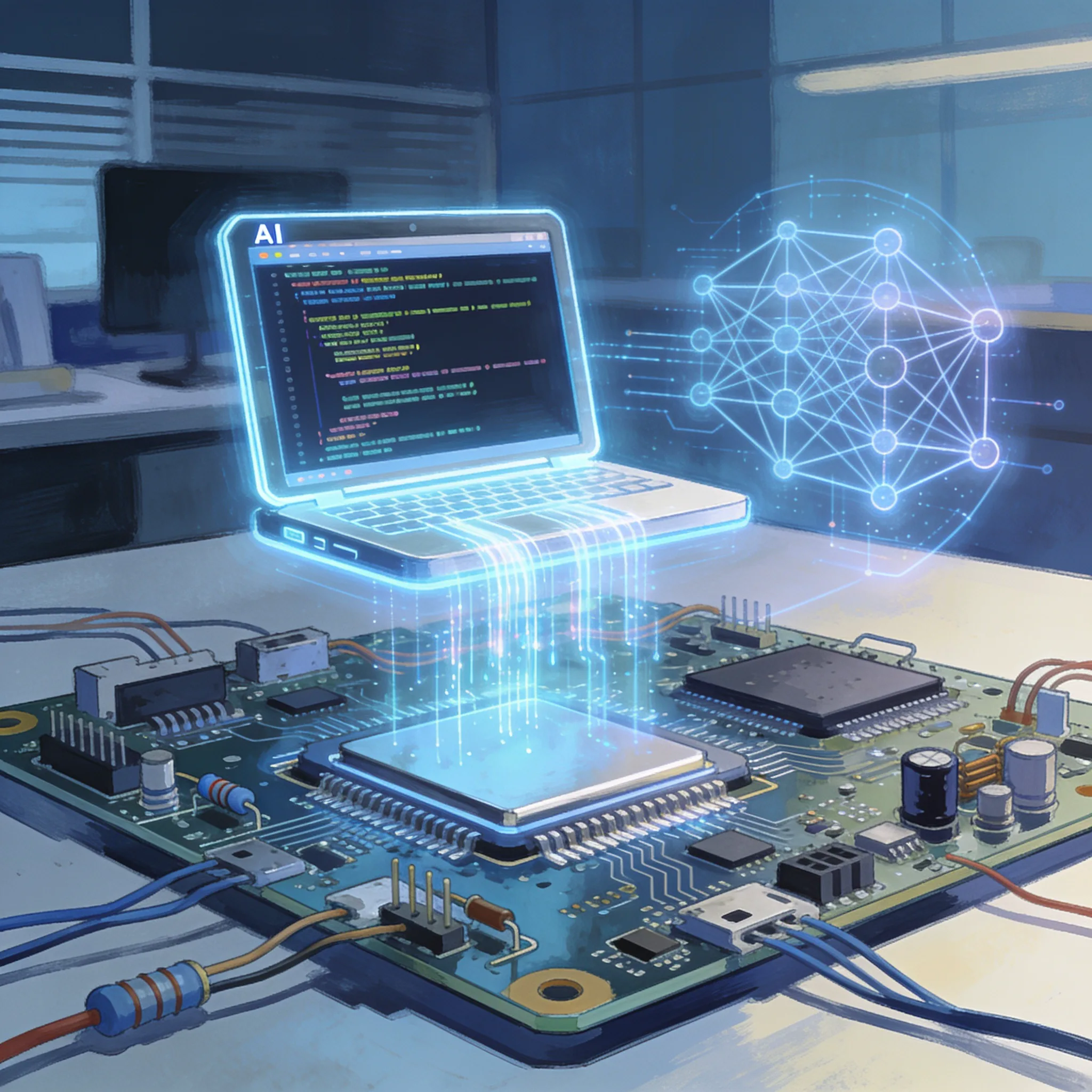
The ability to use large language models to modify consumer electronics is accelerating rapidly. Developers and hobbyists are prompting AI assistants to rewrite firmware, remove ads, and add features to devices ranging from televisions to cameras.
One developer in India named Gathin T discovered he could use Claude Code to redesign his Xiaomi Android TV. After a few permissions tweaks and enabling USB debugging, the AI assistant helped him remove bloatware and simplify the interface within ninety minutes. He shared his results online, which led to thousands of requests on GitHub and the creation of CleanYourTV, a tool designed to help others perform similar modifications.
This approach works best on Android-based systems, which power many different types of gadgets including dishwashers and digital photo frames. When devices do not run Android, LLMs can still locate hidden APIs or unpack firmware files found on manufacturer websites. The technology allows users to repurpose old gear, add new recording capabilities to cameras, or turn cheap synthesizers into more powerful instruments.
What it means
The shift toward AI-assisted hardware modification creates significant risks for average consumers. Installing custom firmware often voids warranties and leaves users without official customer support if something goes wrong. Manufacturers are responding by implementing stricter digital rights management and pushing toward streaming solutions that prevent decompilation.
For those interested in this practice, the safer path involves buying dedicated development boards like ESP32 modules. These inexpensive components allow users to build their own devices without risking existing hardware. Some companies are already embracing this model by selling packaged modules that function as standalone AI gadgets.
Users attempting to modify their current electronics should proceed with caution. Backups are essential before making any changes, and testing in a sandbox environment is recommended. The line between innovation and permanent damage is thin when dealing with critical system software.
What experience have you had modifying your own electronics with AI tools?