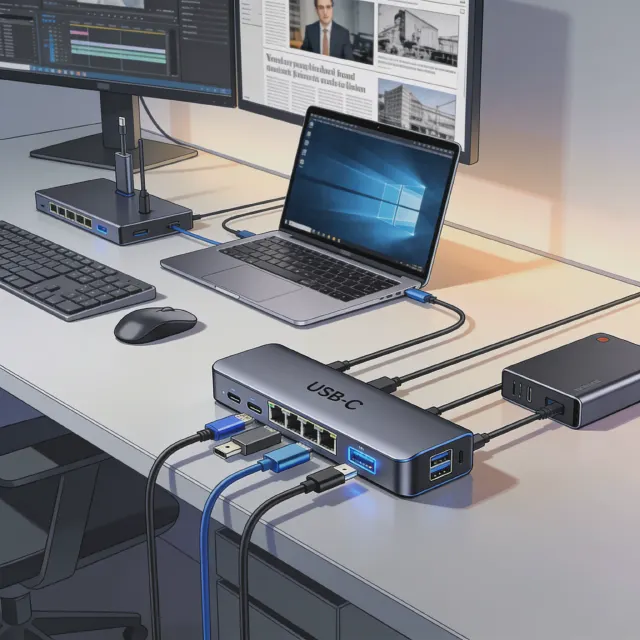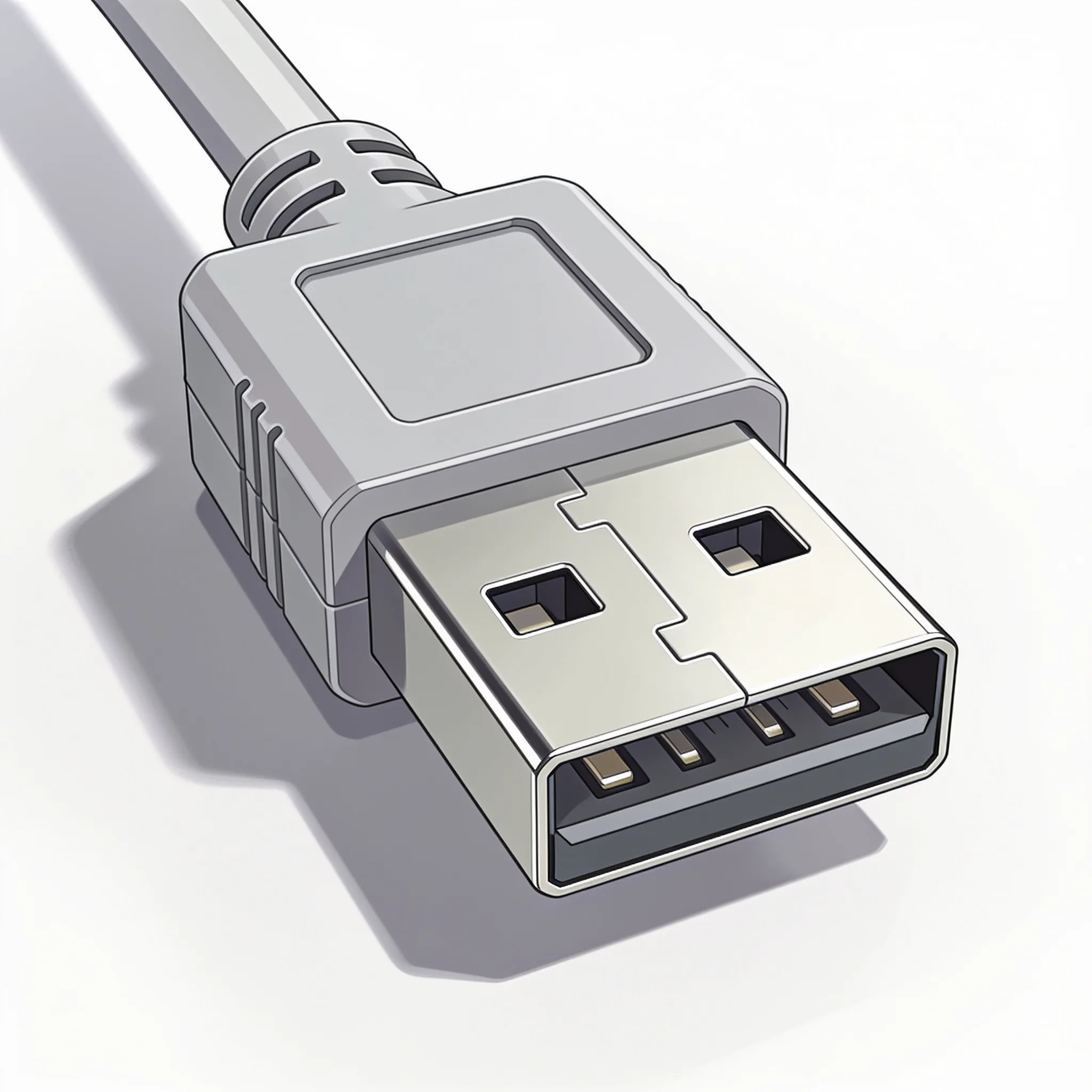
The square holes visible on many USB-A connectors serve a critical engineering function rather than being decorative elements. These openings allow spring-loaded retention clips inside the female port to snap into place when a male connector is inserted, creating a secure physical connection.
This locking mechanism minimizes accidental disconnections while powering peripherals, transferring files, or charging devices. Users typically hear an audible click when inserting a USB device slowly, confirming the connection has engaged properly. The design requires correct orientation since USB-A is not reversible, unlike modern alternatives.
How the Technology Works
Female USB-A ports contain internal spring-loaded clips designed to engage with the male connector through those square openings. This system is rated for thousands of plug-and-unplug cycles without significant wear. The mechanical engagement ensures stability during use, preventing cables from loosening due to movement or vibration.
Modern USB-C connectors achieve similar security through different means. Spring-loaded tabs inside the female port latch onto notches within the connector itself. This alternative design eliminates the need for square holes while enabling reversible insertion, allowing users to connect cables without worrying about orientation.
Historical Context and Regulation
USB Type-A was developed in the late 1990s by Intel, Microsoft, NEC, IBM, Compaq, DEC, and Nortel to simplify interfacing with plug-and-play peripherals like keyboards and printers. The standard aimed to reduce cable variety for consumers by establishing a universal port.
Earlier connector types used different retention methods. DVI cables relied on large screws to secure their pin grids for video output. Micro-USB connectors featured spring-loaded clips on the male port rather than the female port, representing an upgrade over Mini-B connectors' thin plastic tongue mechanisms.
Regulatory changes have shifted industry standards significantly. The European Union required smartphone manufacturers to adopt USB-C by 2024. Apple transitioned its iPhone lineup to USB-C with the iPhone 15 in 2023, ending years of using proprietary Lightning ports. Despite these changes, USB-A remains common in office environments and accessory markets.
What it means
The square hole design reflects older engineering priorities focused on durability and cost-effectiveness rather than user convenience features like reversibility. While USB-C has become the dominant standard for new devices, legacy USB-A ports continue serving millions of existing peripherals and accessories.
Users with older equipment may still encounter USB-A ports frequently in workplaces, computers, and power adapters. The mechanical locking system provides reliable connections that withstand repeated use, though the non-reversible nature can cause frustration compared to modern alternatives.
Uncertainty remains regarding how quickly USB-A will disappear entirely from consumer electronics as manufacturers gradually phase out legacy ports in favor of USB-C across all product categories.
Would you prefer the reliability of USB-A's locking mechanism or the convenience of USB-C's reversible design?