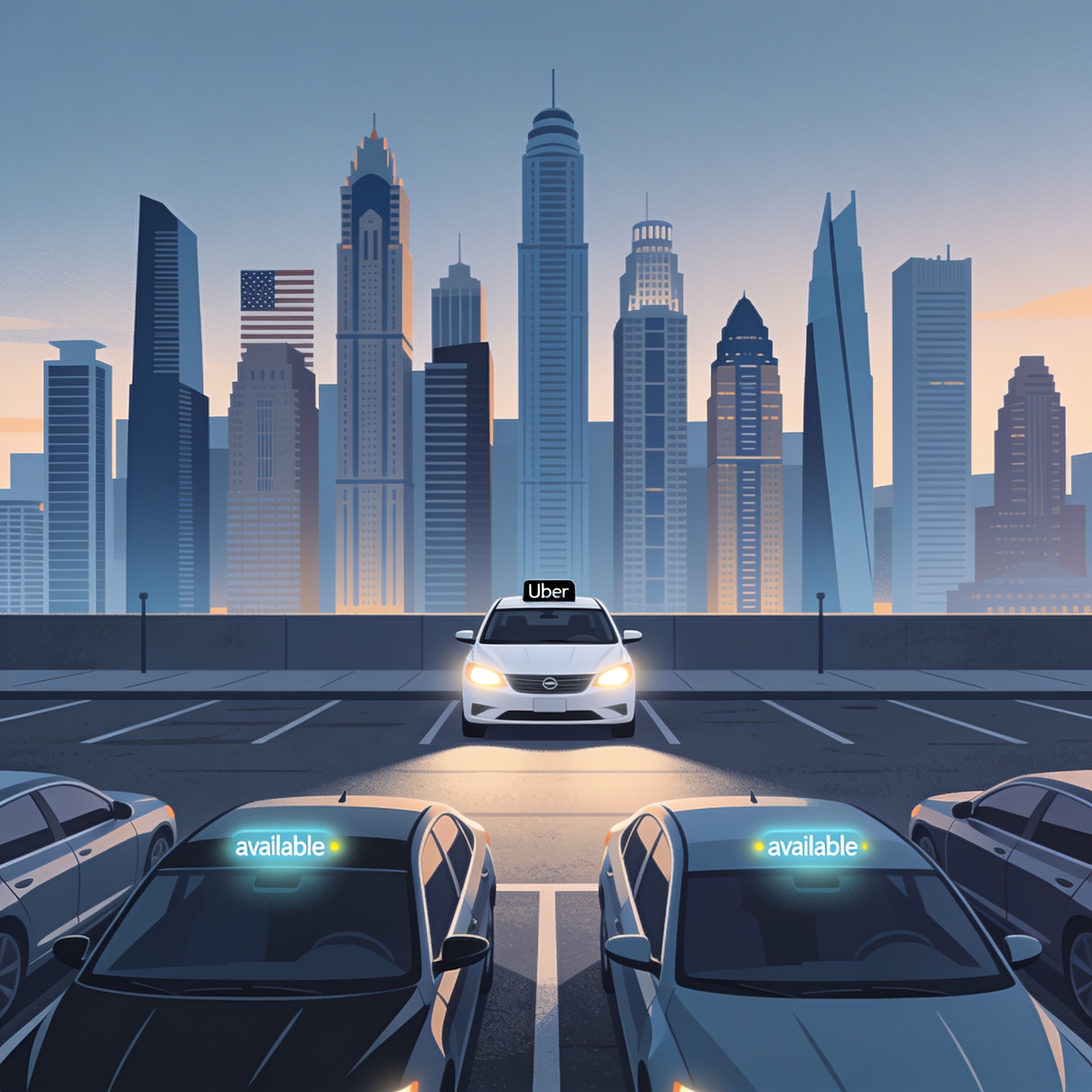
Uber on Monday announced the launch of a new parking service available in 15 major U.S. cities. This move follows the ride-hailing company's acquisition of parking application SpotHero in February, approximately nine months prior to the public release. The deal provided Uber with access to a network comprising 13,000 garages, lots, and valet services across more than 400 cities.
The service is designed primarily for commuters driving their own vehicles. Users can access the feature directly through the Uber app homescreen by entering a destination and selecting the desired date and time. An interactive map displays options, allowing filters for self-parking, valet, garages, or surface lots. All pricing is displayed upfront before booking. Once a spot is selected, users enter vehicle details and complete payment using their existing Uber wallet method. Upon arrival, entry is granted either by scanning a unique QR code or through automatic license plate recognition. Bookings can be cancelled for free until the start time.
While the current focus remains on human drivers, Uber indicated that the infrastructure will eventually support autonomous vehicle partners. The company stated that these parking spots could serve as staging and waiting locations for robotaxis. This strategy aims to reduce congestion and minimize deadheading, which refers to the distance a vehicle travels without a paying passenger or cargo.
What it means
This launch expands Uber's ecosystem beyond ride-hailing and food delivery into physical logistics for commuters. For users who drive themselves to work or events, the service offers a consolidated way to manage transportation needs within a single application. It also signals a strategic pivot where Uber positions itself as a comprehensive mobility platform rather than just a taxi alternative.
The integration of parking data may have downstream effects on how autonomous vehicle fleets operate. By designating specific areas for robotaxis to wait, Uber hopes to optimize fleet efficiency. However, the extent to which this will impact current user experience remains to be seen, as the primary functionality currently serves personal vehicle owners.
Members of Uber One may receive additional value through the program, which boasts over 55 million members as of September 30. Subscribers are eligible to earn 10% back in credits on qualifying parking reservations, which can subsequently be applied toward rides or Uber Eats orders.
Do you currently use third-party apps to find and pay for parking, or would you prefer to consolidate all your commute costs into one ride-sharing application?