SpaceX intends to execute an unprecedented maneuver during its next Starship test flight by capturing both the Super Heavy booster and the upper stage using mechanical arms mounted on the launch tower. The attempt is scheduled for Friday, November 13, during the 15th test flight of the megarocket.
If successful, the operation could represent the first complete recovery of an orbital launch system. The company considers the procedure a critical step toward making Starship a fully reusable spacecraft capable of frequent flights. The mission will take place from Starbase, SpaceX's facility in southern Texas.
How the Capture Attempt Works
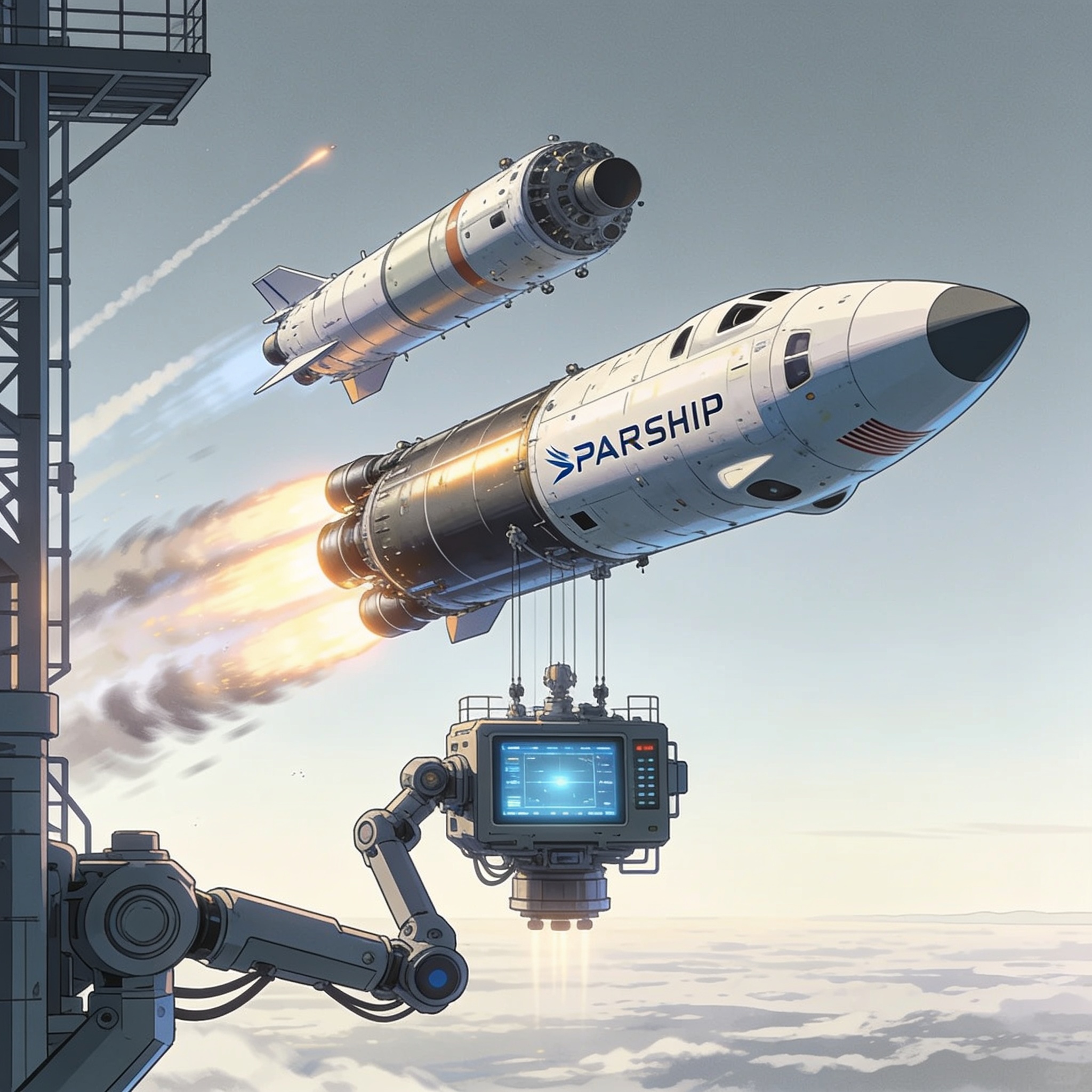
The launch system consists of two main components. The Super Heavy is the massive booster responsible for propelling the assembly during liftoff, while the Starship, also called Ship, is the upper stage that continues into space. The proposal involves returning both stages to the launch platform and capturing them with the tower's mechanical arms, nicknamed chopsticks.
SpaceX has already recovered the Super Heavy this way in three previous flights. However, it has never attempted the same maneuver with the Starship. The challenge is greater because the spacecraft reaches higher altitudes and distances than the booster, making its return to Earth more complex.
According to the published plan, the Super Heavy should return to Starbase approximately six minutes and 30 seconds after liftoff. The upper stage will follow a much longer trajectory. The expectation is that the Starship will reach an orbit of approximately 275 kilometers altitude and complete about 14 laps around the Earth during a mission lasting more than 22 hours.
As happened in the previous flight, the spacecraft will also release 26 Starlink V3 satellites, new-generation models that are part of SpaceX's plans to expand its satellite internet constellation. Flight 14, conducted on September 28, marked the first time the Starship achieved Earth orbit. That mission ended with a landing in the Pacific Ocean approximately three hours after liftoff.
What it means
This dual-capture attempt represents a significant engineering hurdle for SpaceX. Successfully recovering both stages simultaneously would validate the design philosophy behind Starship as a fully reusable system, potentially reducing launch costs dramatically compared to current methods. If the maneuver succeeds, it could accelerate the timeline for commercial operations and deep-space missions.
However, the outcome remains uncertain. SpaceX has indicated it may cancel the operation if any issues arise during the flight. Alternative safety procedures exist to ensure the spacecraft returns safely or is directed to predetermined ocean areas. Readers interested in spaceflight technology should note that even partial success contributes valuable data for future iterations of the vehicle.
Would you trust SpaceX's ability to safely recover both rocket stages simultaneously, or do you worry about the risks involved in such an ambitious maneuver?