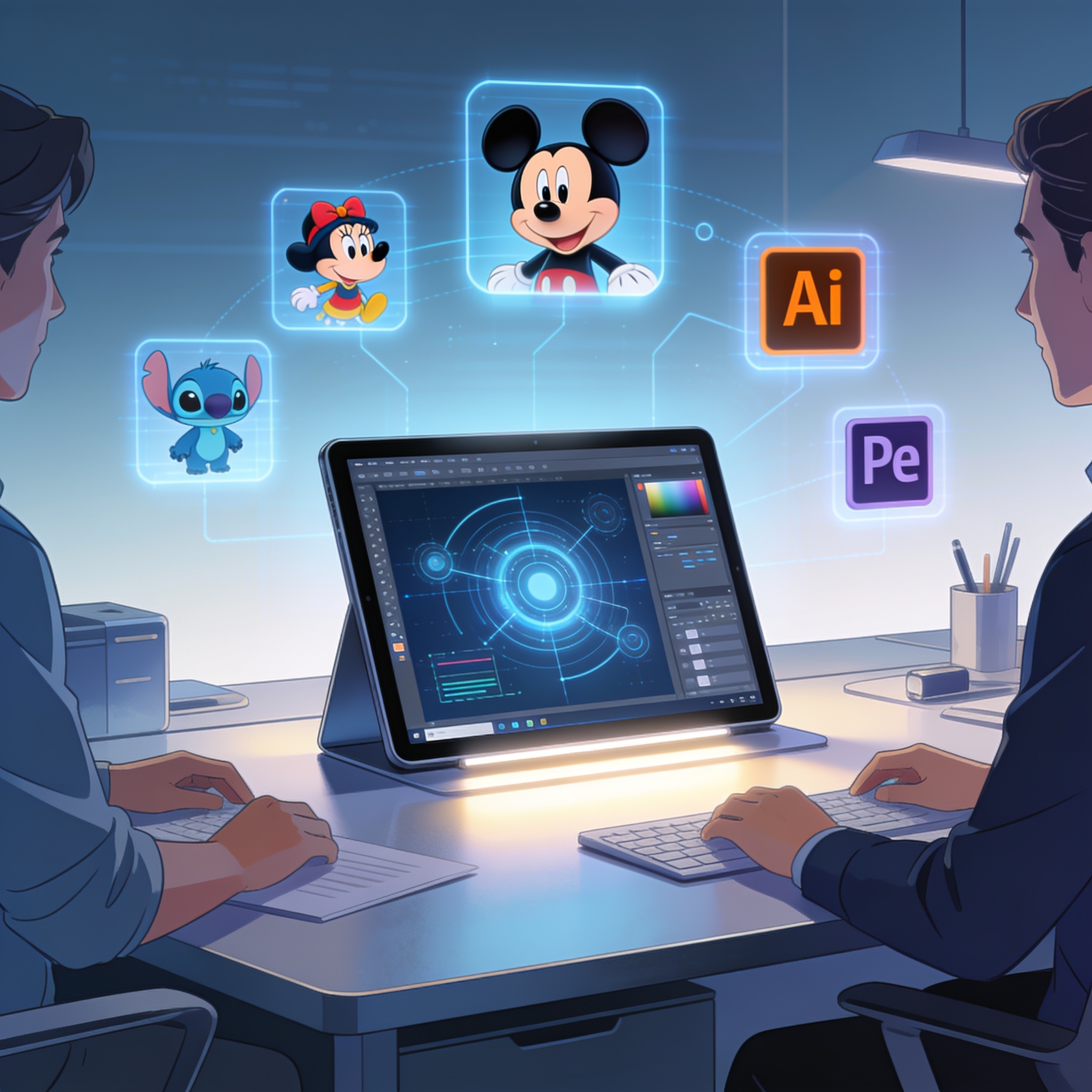
The Walt Disney Company and Adobe Systems have entered into a multi-year agreement to jointly develop proprietary generative artificial intelligence models. The partnership was officially announced at Adobe’s MAX conference on November 9, 2026.
Under the terms of the deal, Disney will receive early access to Adobe’s latest technologies. This includes the Firefly Foundry platform, which will be used to build custom AI models specifically trained on Disney’s unique world knowledge. These models are designed to understand character attributes, environments, and visual styles associated with Disney properties.
The collaboration aims to support several key areas within the Disney ecosystem. Theme park development teams at Imagineering R&D already utilize Adobe’s Firefly AI platform for creating park experiences. The new partnership will expand these internal creative workflows across the company.
Disney’s cruise line operations will also benefit from the technology. Additionally, ESPN content production will see enhancements aimed at improving engagement with sports fans through advanced graphics and visual assets.
Walt Disney Studios will integrate these tools into their production pipeline. The goal is to accelerate work processes while enabling the development of more creative projects. Adobe states that the models will be human-centered and artist-led, ensuring outputs remain commercially safe and production-ready.
This announcement follows previous reports indicating Disney has been exploring various AI solutions. Bloomberg reported last week that the company is preparing for significant workforce reductions as part of a cost-saving initiative targeting 20 percent annual savings.
What it means
This partnership signals a strategic shift in how major media companies approach generative AI. By training models on their own intellectual property rather than relying solely on public datasets, Disney aims to maintain control over brand consistency and copyright issues.
For creative professionals working within Disney’s divisions, this could mean faster turnaround times for visual assets and reduced manual labor in certain production tasks. However, the context of recent layoffs suggests these efficiency gains may coincide with workforce restructuring.
The focus on artist-led models indicates an attempt to balance automation with human oversight. This approach addresses concerns about AI replacing creative roles entirely by positioning the technology as a tool for augmentation rather than replacement.
Uncertainty remains regarding how extensively these tools will be deployed across all Disney operations and whether similar partnerships will emerge with other tech providers in the entertainment sector.
Will you feel more or less confident using Disney products knowing they incorporate proprietary AI tools developed with Adobe?