Kevin Lewandowski, founder of the music database and marketplace Discogs, participated in The Verge's Weekend Questionnaire, offering insights into his personal technology habits and media preferences. The interview was conducted by Terrence O'Brien and published on November 7, 2026.
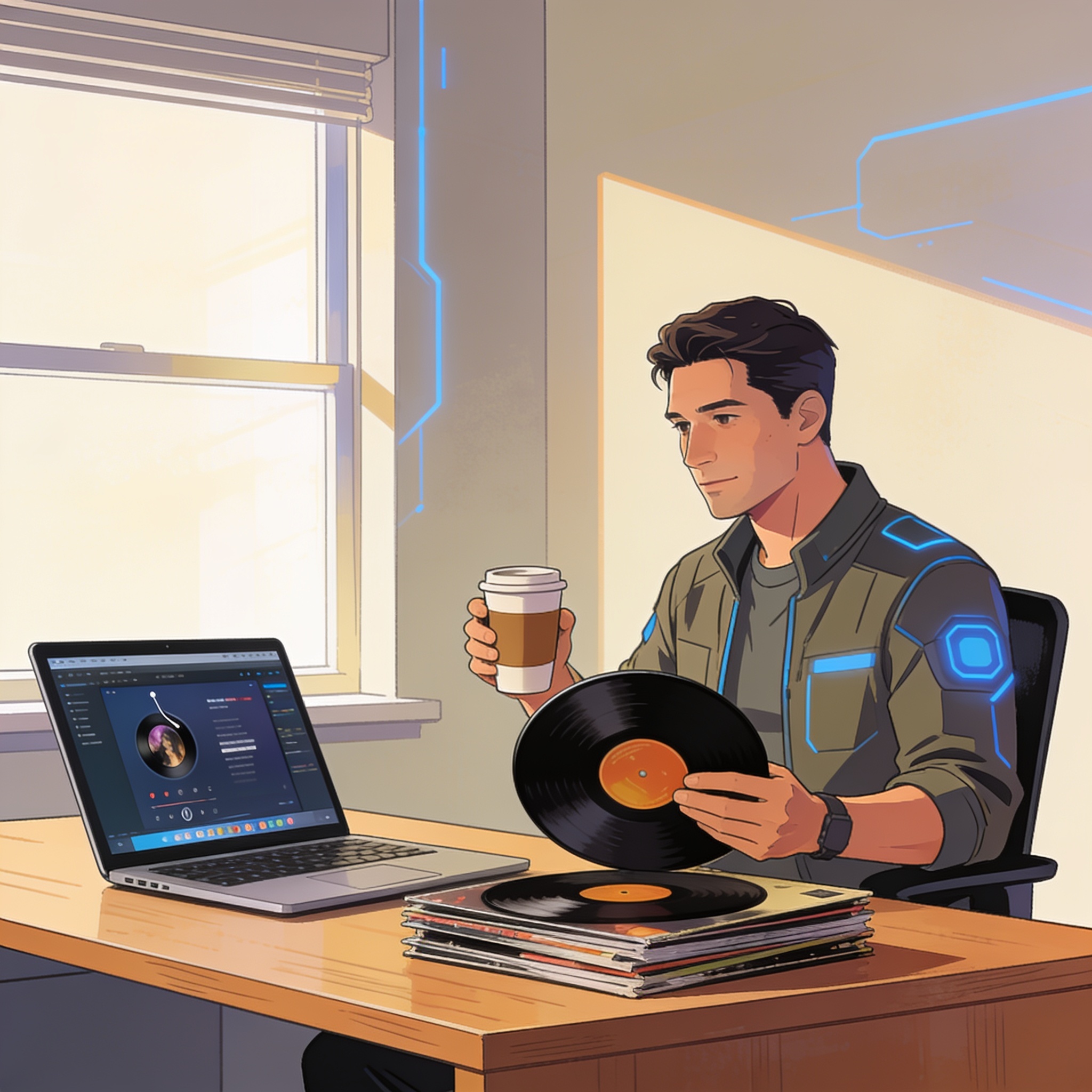
Lewandowski identified his AeroPress as his most indispensable tool, stating he uses it multiple times daily. He confirmed he had just brewed a cup of coffee during the conversation. This preference for manual brewing equipment contrasts with the digital-first nature of Discogs, which serves as both a marketplace for buying and selling records and a comprehensive database covering various album pressings and versions.
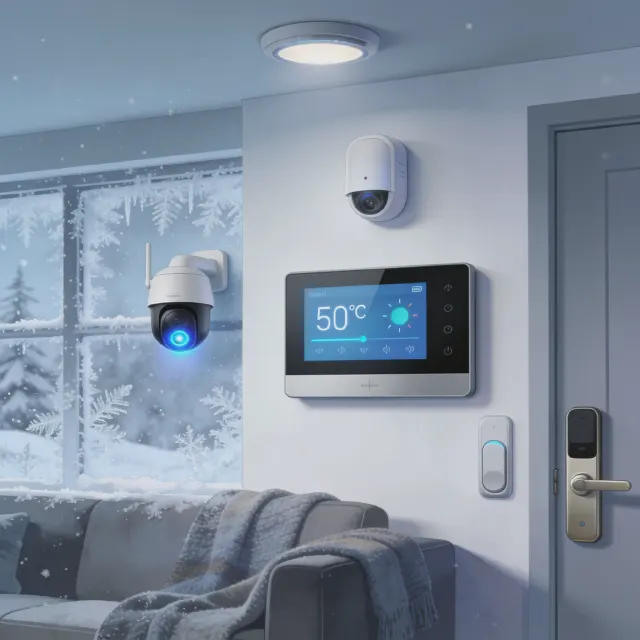
When asked about his favorite gadget, Lewandowski declined to name a commercial product, instead highlighting a custom-built system he created using Home Assistant software. His setup controls household functions including garage doors and outdoor lighting, reflecting his interest in tinkering with technology rather than purchasing off-the-shelf devices.
His browsing habits show significant multitasking. Lewandowski reported having approximately 30 tabs open on his work computer and between 40 to 50 tabs on his personal machine. For social media, he mentioned occasional use of X and Instagram but noted he does not actively post content.
Regarding gaming interests, Lewandowski expressed a wish to have created Rez, a rhythm game released around 2000 that allows players to control music while playing. He described having ideas for a similar project but confirmed these remain conceptual only.
What it means
Lewandowski's choices reflect a broader pattern among tech enthusiasts who value customization over convenience. His preference for building his own smart home system rather than adopting pre-packaged solutions suggests a growing segment of users willing to invest time in creating personalized technology environments. The emphasis on physical media, particularly vinyl records, also highlights ongoing consumer interest in tangible formats despite the dominance of streaming services.
For readers interested in DIY home automation, Lewandowski's approach demonstrates that accessible software platforms like Home Assistant enable individuals to create functional systems without relying on major technology corporations. However, the complexity of such setups may limit adoption to those with technical aptitude or willingness to learn.
The continued relevance of Discogs as a platform for physical media collectors indicates sustained demand for curated, community-driven marketplaces that prioritize detailed information over algorithmic recommendations.
Would you prefer building your own smart home system or using pre-configured products from established brands?