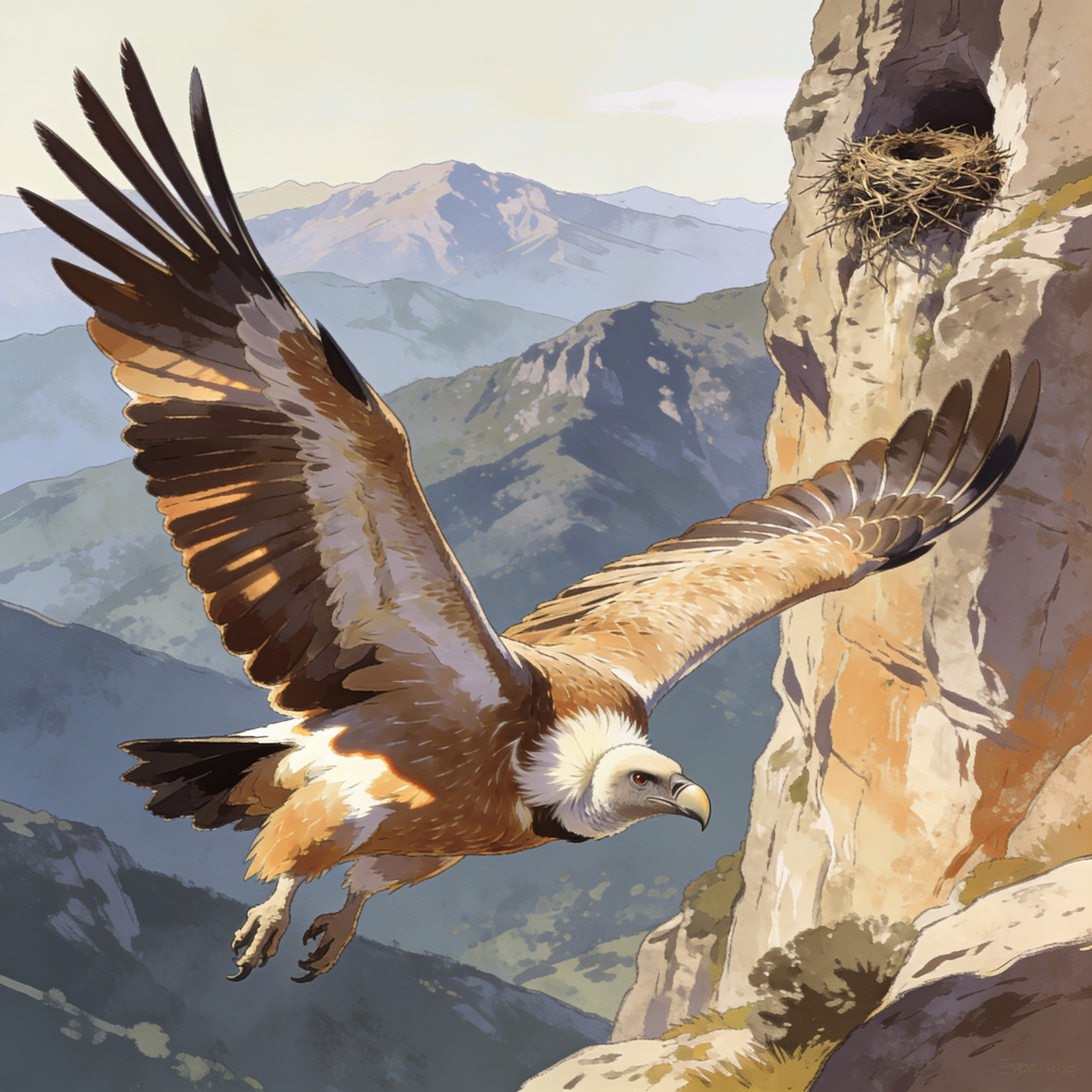
A bearded vulture named Esperanza has taken her first flight after spending 117 days developing in the nest within the Sierra de Cazorla mountains in southern Spain. The event occurred on November 13, 2026, according to reporting by Olhar Digital, marking the first recorded birth of this species in the region in 32 years.
The fledgling female was born in the wild under the care of her biological parents, Tono and Blimunda, both released through previous conservation efforts. To track her journey into adulthood, biologists fitted Esperanza with scientific rings and a modern satellite transmitter before her departure. These instruments confirmed that her initial jumps required acrobatic precision over the rocky Andalusian gorges, solidifying her individual survival capabilities.
What it means
This successful reproduction signals the return of ecological conditions suitable for raptors in Spanish valleys after decades of degradation. The consolidation of wild reproduction proves that the habitat has recovered enough to support essential trophic niches for mountain balance. Beyond a single achievement, the existence of this bird demonstrates the effectiveness of modern threatened fauna management techniques applied across Europe.
Data from electronic signals allowed scientists to map vital refuge areas and intensify protection against criminal poisoning, which historically decimated local flocks of large scavengers. The case confirms that local extinction of predators and carrion eaters can be reversed with sustained investment in science, enforcement, and ecological education. However, challenges such as extreme weather conditions and the need for independent foraging remain constant tests for the young bird's autonomy.
The return of this emblematic bird to the Spanish skies resulted from meticulous strategic planning conducted by environmental authorities and non-profit foundations over several years. Transboundary cooperation ensured the gradual release of genetically compatible specimens, allowing adult pairs to form stable bonds and build nests on inaccessible cliffs. Constant presence of carcasses provided at safe points eliminated chronic food scarcity during the critical chick-rearing period.
Readers interested in wildlife conservation: Would you support increased monitoring programs for endangered birds if they helped prevent illegal poisoning incidents in protected areas?