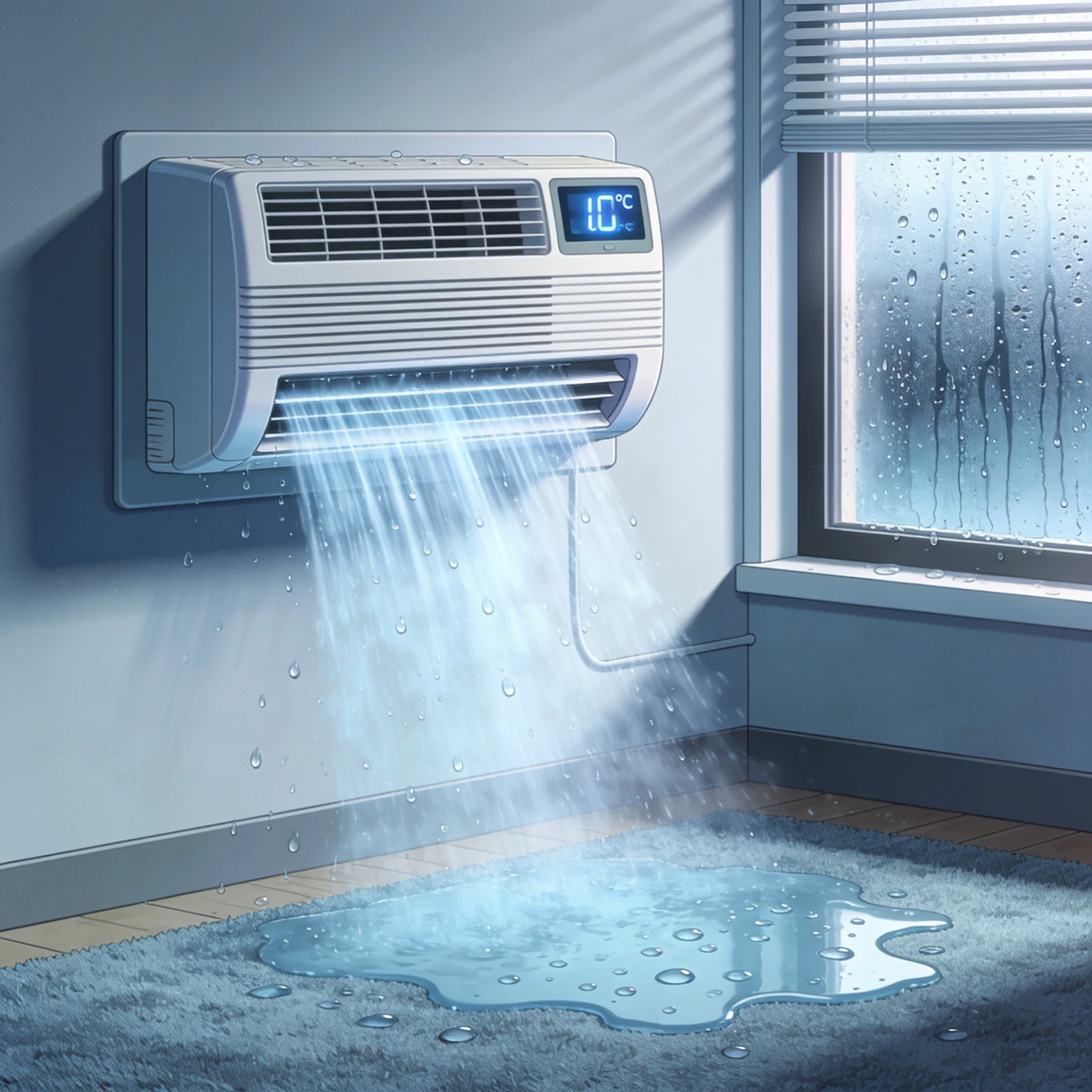
Selecting an air conditioner with excessive power for a specific room creates a counterproductive cooling effect. While high capacity seems like a solution for hot days, it causes the unit to reach the target temperature before completing the necessary dehumidification process.
According to guidelines from ENERGY STAR, a superdimensioned unit chills the space before extracting water vapor from the air. This imbalance leads to a sensation of cold and dampness, reducing overall thermal comfort within the room.
Why Oversized Units Fail at Dehumidification
The core issue lies in the operational cycle of the compressor. When the capacity exceeds the room size, the thermostat triggers the compressor to turn off prematurely. Without continuous operation, the evaporator coil does not remain cold long enough to condense excess humidity or drain the water effectively.
Short run cycles prevent the system from maintaining the airflow required across the frozen coil. Consequently, the air remains chilly while moisture levels stay high, creating a sticky and uncomfortable atmosphere.
Operational Consequences of Short Cycling
Frequent on-and-off intervals disrupt the stability needed for efficient climate control. The Department of Energy notes that large units suffer from these rapid cycles, which impact daily usage and equipment longevity.
- Accelerated Cooling: The powerful unit lowers room temperature within minutes. - Premature Shutdown: The thermostat hits the set point and stops the compressor before dehumidification finishes. - Retained Moisture: The air stays cold and humid, generating discomfort and a stuffy feeling.
These interruptions hinder energy efficiency and lead to direct consequences for daily living. Repeated motor startups increase electricity bills, while constant activation accelerates wear on internal components.
Determining Ideal Capacity
Calculating the correct BTU requirement begins with measuring the room area by multiplying length by width. Consumers should align hourly BTU power with the actual space rather than purchasing the strongest available unit.
ENERGY STAR advises adjusting the base calculation based on local thermal conditions. Factors such as solar exposure, occupant count, and heat generated by appliances modify the required thermal load.
| Environmental Condition | Recommended Adjustment | | :--- | :--- | | Shaded Room | Reduce capacity by 10% | | Sunny Room | Increase capacity by 10% | | More than Two People | Add 600 BTUs per extra person | | Kitchen Installation | Add 4,000 BTUs to the calculation |
Proper sizing avoids energy waste and improves thermal comfort.
Adjusting Usage for Better Comfort
In humid conditions, lowering the fan speed allows air to circulate more slowly over the cold coil. This prolonged contact increases moisture condensation. Users should also keep light sources and televisions away from the thermostat and activate the dehumidify mode if available.
Correct dimensioning and balanced usage ensure both comfort and savings.
What it means
This phenomenon affects anyone choosing a new air conditioning unit or troubleshooting existing cooling issues. Homeowners may experience persistent dampness despite low temperatures, leading them to lower the thermostat further and inadvertently raising their energy costs.
The practical implication is that higher power ratings do not equate to better performance. Selecting the right size requires careful calculation of room dimensions and environmental factors rather than assuming maximum capacity offers superior relief.
Uncertainty remains regarding how many consumers currently understand the relationship between unit size and humidity control. Many may continue to prioritize raw cooling speed over balanced air quality without realizing the trade-offs involved.
Do you notice your air conditioner running frequently without drying out the room, and have you adjusted settings to improve comfort?