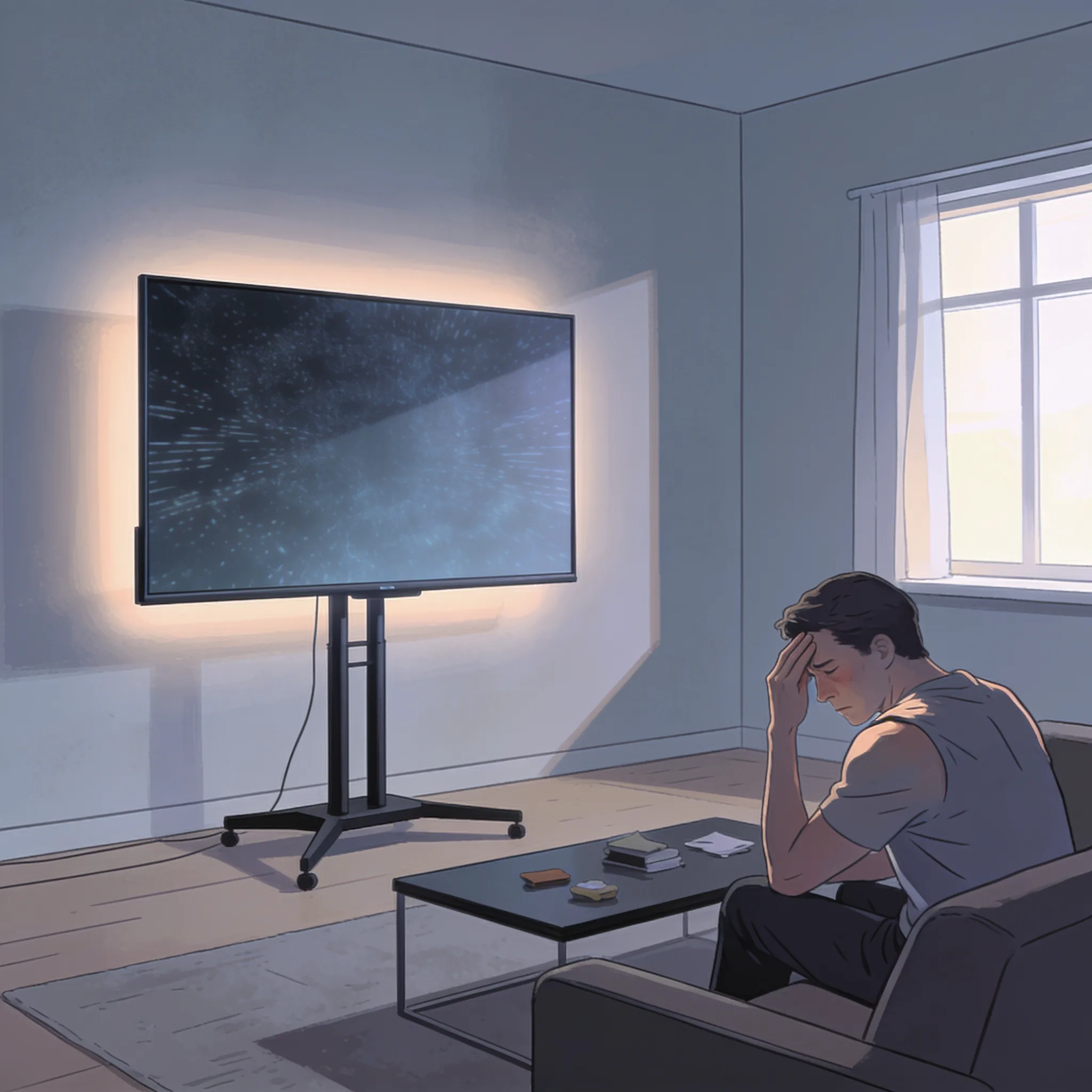
Some consumers have reported feeling nauseous or experiencing headaches after purchasing and installing new OLED televisions. The discomfort typically begins during initial viewing sessions and can persist for several hours before subsiding as the eyes adjust to the screen.
Reported Symptoms
A consumer who replaced a 55-inch television with a 65-inch OLED model described waves of nausea that lasted for hours during a movie session. The symptoms were followed by mild headaches associated with eye strain. In some cases, the malaise disappeared after a few days of use as viewers adapted to the larger display.
Another user reported continuing dizziness and nausea the day after first using their new television, to the point of considering returning the device. A spouse of an 85-inch OLED owner also experienced nausea during viewing sessions.
Potential Causes Under Discussion
There is no agreed explanation for the discomfort. Users on Reddit have suggested several factors, including motion smoothing settings, screen brightness, and viewing distance.
The OLED technology uses millions of self-illuminating pixels rather than a backlight system found in LED televisions. This allows individual pixel control for better color accuracy and contrast but may contribute to visual strain for some viewers.
In one documented case, motion smoothing was disabled, viewing distance was approximately 2.7 meters, and brightness was reduced to about 50 percent. Despite these adjustments, symptoms still occurred initially.
One theory suggests that tracking different areas of a large moving image requires more effort from the eyes, similar to watching scenery through a car window. This visual demand may trigger nausea in sensitive individuals until adaptation occurs.
What it Means
People considering upgrading to large OLED televisions should be aware that some experience temporary physical discomfort during the adjustment period. The symptoms appear to resolve naturally within days for most affected users.
Potential buyers should evaluate room dimensions carefully before purchasing screens 65 inches or larger. Proper viewing distance and available space are important factors alongside personal sensitivity to visual changes.
Manufacturers offer various picture settings, including Filmmaker Mode and adjustable brightness controls, that may help minimize discomfort. However, there is no guaranteed solution since individual responses vary significantly.
Consumers should monitor their own reactions when testing new displays and allow time for visual adaptation before making final decisions about keeping the equipment.
Would you consider trying a larger OLED television despite reports of potential nausea, or would you prefer to stick with your current screen size?