The New York Times Wordle puzzle number 1,968 was solved on Sunday, November 8, 2026. CNET released a guide containing spoiler-free hints followed by the final answer for readers seeking assistance.
Puzzle Clues and Solution
The article outlined five specific hints to help players identify the target word without revealing it immediately. The first hint confirmed that the answer contains no repeated letters. The second clue noted that the word includes exactly one vowel. The third and fourth hints specified the starting letter as F and the ending letter as T. The fifth hint described the meaning of the word as something that refers to coming before all others.
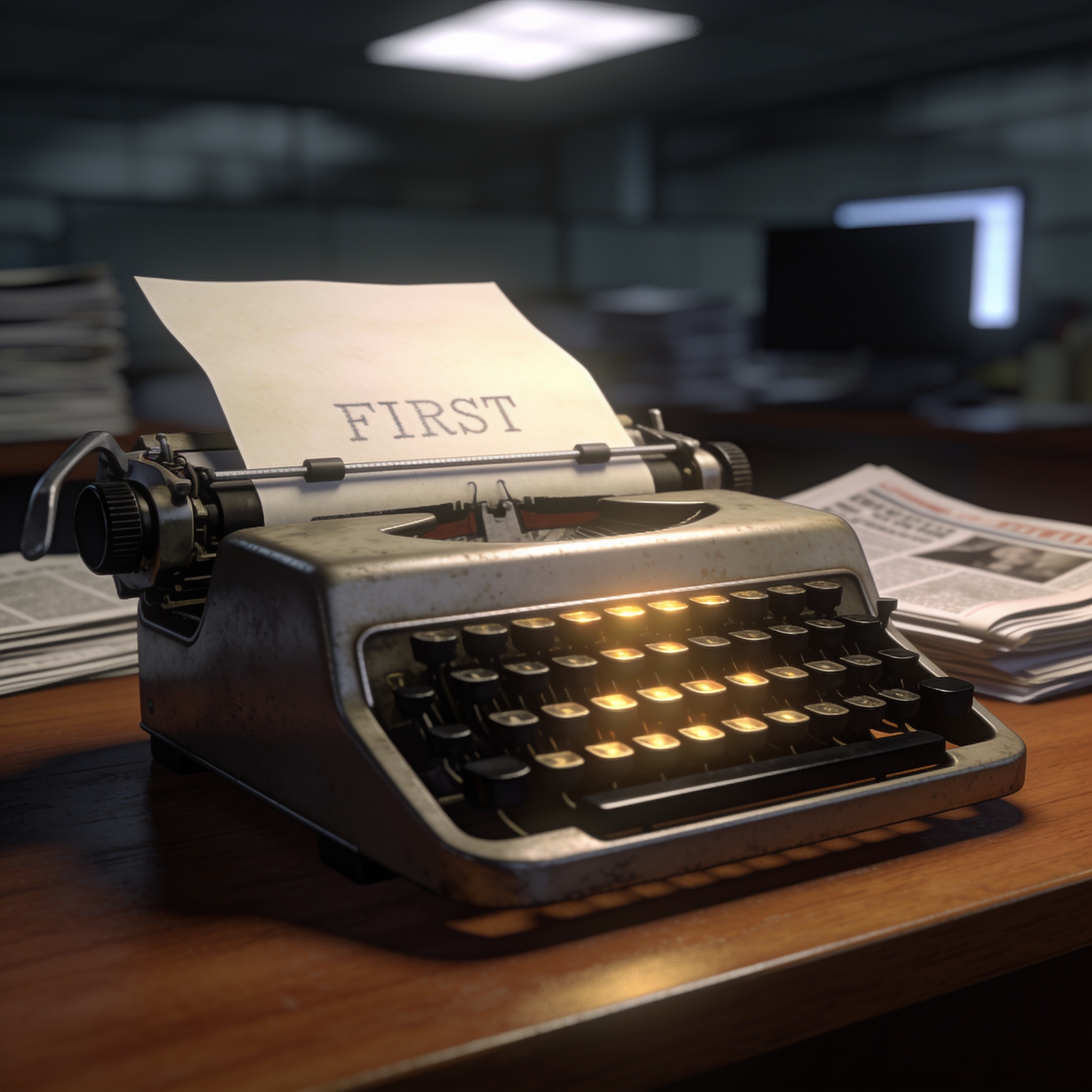
Based on these constraints, the solution for the day was identified as FIRST. This word fits all the criteria: it starts with F, ends with T, contains the single vowel I, and lacks any repeating characters.
Related Daily Puzzles
CNET also provided answers for other New York Times games available on the same date. The NYT Strands puzzle number 980 and the Connections puzzle number 1246 were both addressed in the report. Additionally, the article listed the answer for the Mini Crossword from Saturday, November 7, and the Wordle answer from the previous day, November 7, which was PRATE.
Recent history for the game was included in the publication. The preceding entries covered words such as POUCH on November 3, NUTTY on November 4, PARCH on November 5, and DRECK on November 6.
What it means
Players who missed the daily deadline or struggled with the specific letter constraints can now verify their guesses against the published solution. The hints regarding the single vowel and the lack of repeated letters are particularly useful for narrowing down options during the initial guess phase. Users relying on this resource must accept that the information is intended for immediate use rather than long-term strategy development.
The availability of these solutions allows casual participants to continue engaging with the game without feeling stuck. However, those who prefer to solve puzzles independently may find the direct provision of the answer counterproductive to the experience. The structure of providing hints before the answer remains an option for those who need guidance but wish to attempt solving it themselves first.
Do you prefer using spoiler-free hints like the ones listed above, or do you wait until after you have submitted your own guesses?