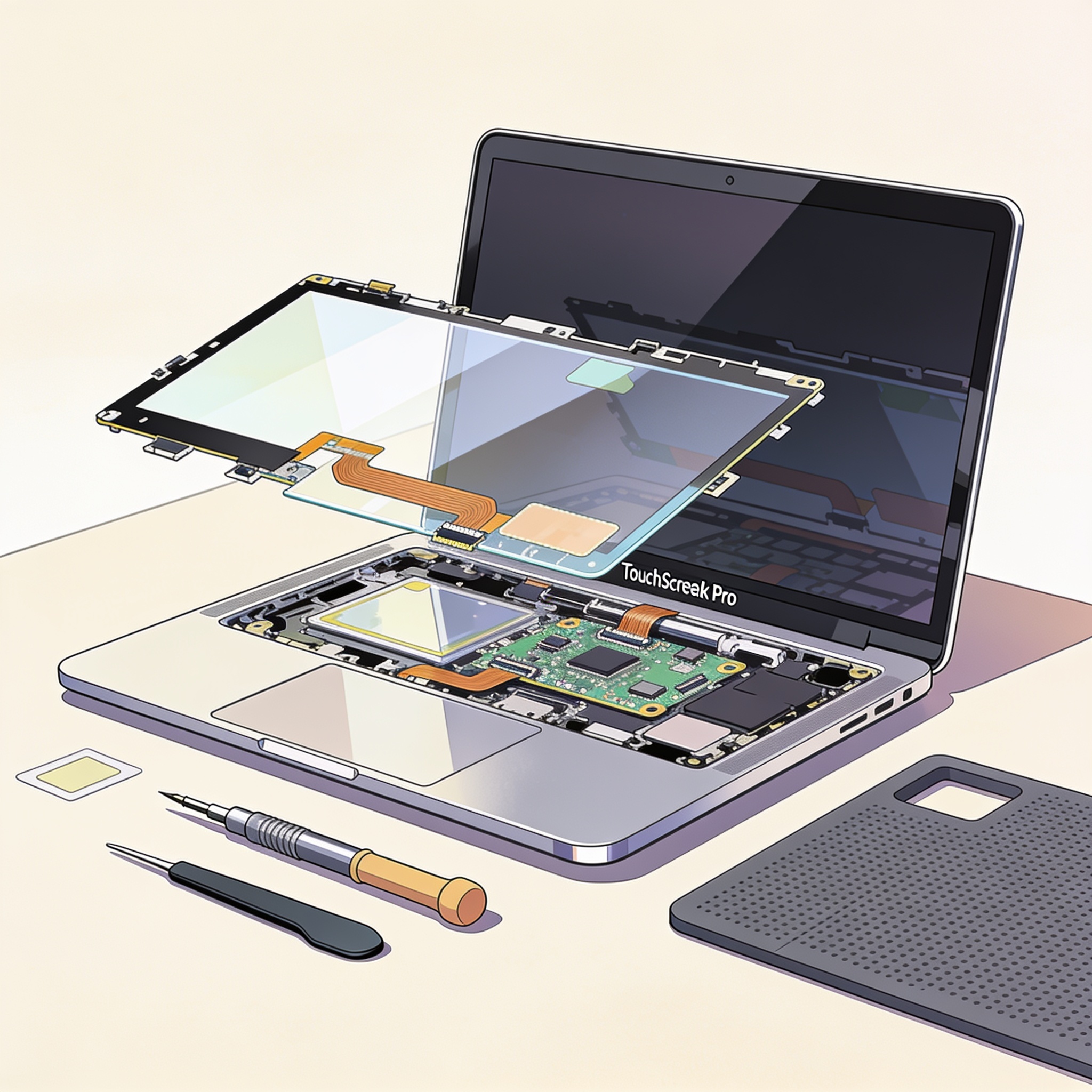
iFixit published a teardown video on November 11, 2026, examining the internal components of the new MacBook Pro equipped with a touchscreen and PROLED XDR Display. The analysis reveals significant structural similarities between this latest model and existing Apple laptops, while also exposing specific challenges associated with repairing the device.
Screen Removal Difficulties
The teardown team reported substantial difficulty separating the new display panel from the rest of the chassis. This struggle suggests that future repairs involving screen replacement may require specialized tools or professional assistance rather than DIY methods. The complexity of disassembly could impact the cost and accessibility of maintenance for owners who experience display damage.
Unique Logo Lighting Design
Unlike previous models, the new MacBook Pro utilizes four edge-mounted LEDs to illuminate the Apple logo on the back of the lid. This configuration represents a departure from standard backlighting approaches and adds another layer of complexity to any potential screen-related repairs. The integration of these edge LEDs requires precise alignment during reassembly.
Internal Layout Consistency
Despite the new display technology, the internal architecture remains largely consistent with current Apple laptop designs. Components appear organized in familiar patterns, which may help technicians identify parts more easily once the initial screen barrier is overcome. However, the presence of the touchscreen functionality introduces additional layers that were not present in non-touch variants.
What it means
For consumers considering this device, the teardown highlights potential long-term ownership costs. If the screen becomes damaged, repair services may be more expensive or less available compared to previous MacBook Pro models due to the increased difficulty of accessing the display assembly. Users who rely on self-repair or third-party service shops might find fewer options for fixing display issues.
The use of edge LEDs for the logo indicates Apple is experimenting with new aesthetic features that prioritize visual appeal over ease of serviceability. While this does not affect daily usage, it signals a trend where proprietary design choices may limit independent repair capabilities. Owners should weigh the benefits of the touchscreen and enhanced display against potential maintenance hurdles.
Uncertainty remains regarding official Apple support policies for this specific model. It is unclear whether Apple will offer extended warranty coverage or discounted repair programs given the known difficulties identified by iFixit. Third-party repair availability depends on how widely the necessary tools and replacement parts become accessible after the initial launch period.
Would you choose a MacBook Pro with a touchscreen knowing that screen repairs might be more complex and costly than previous models?