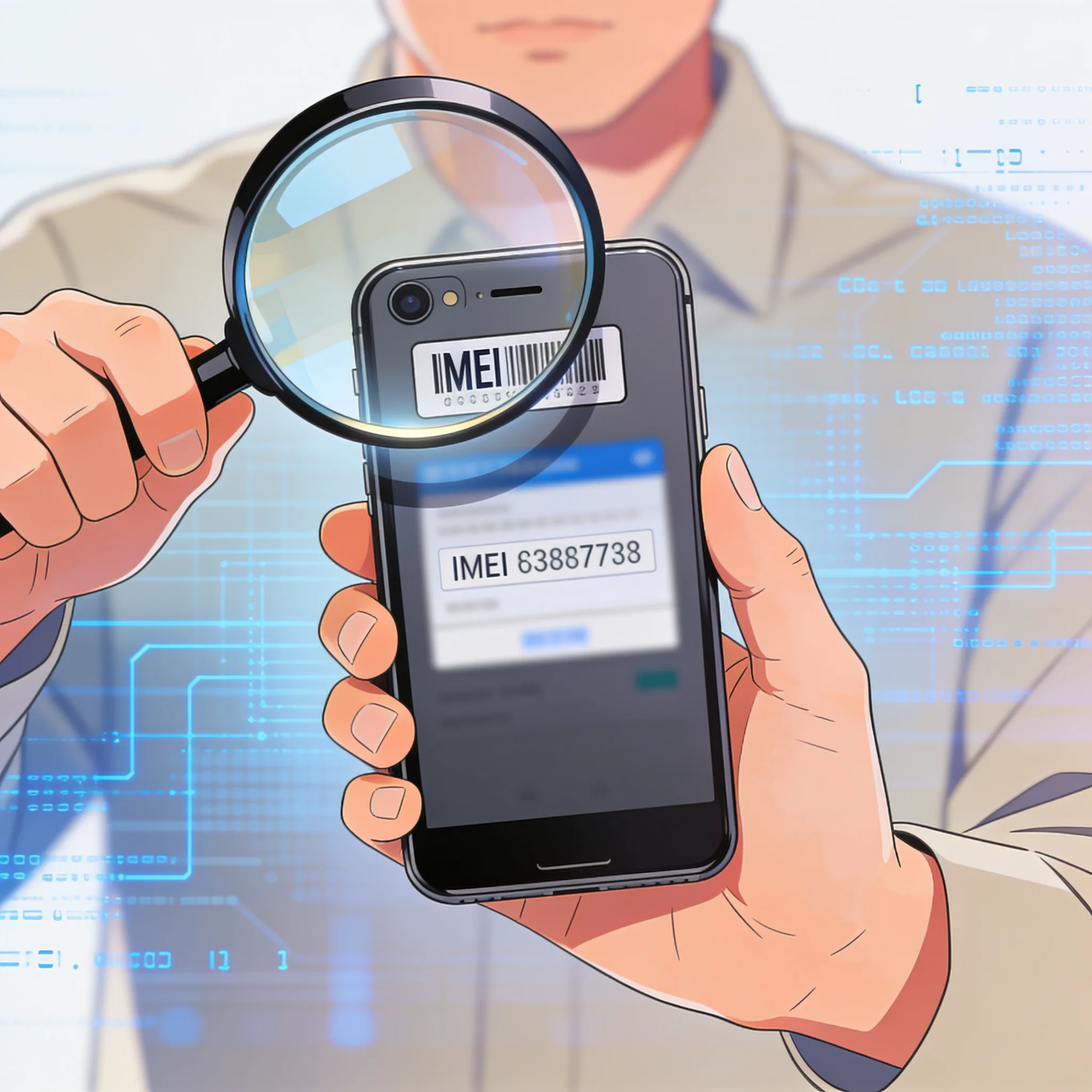
Buying a used smartphone requires careful verification to avoid scams and faulty devices. The most critical step involves checking the device's unique 15-digit International Mobile Equipment Identity (IMEI) number. This identifier allows buyers to confirm whether a phone has a problematic history, including theft reports or carrier blacklisting.
Every mobile device carries this specific number, which network providers use for registration and identification. If a phone is lost or stolen, the owner can contact their provider to blacklist the device using this code, rendering it unusable on supported networks. Buyers should request this number from sellers on platforms like eBay, Facebook Marketplace, or physical repair shops.
To locate the IMEI number, users can check the original packaging, digital receipts, or their network provider account. Dialing *#06# on the phone keypad also displays the code instantly. Once obtained, the buyer must verify the number's validity through online services. While many sites offer free checks, some charge fees, so researching the platform first prevents falling victim to phishing scams.
What to Ask Sellers
Sellers should provide the IMEI code upon request. Refusal to share this information often indicates the seller may be offering fenced goods or stolen property. Buyers should keep screenshots of conversations where the IMEI is shared as evidence. However, the IMEI number alone cannot track or hack a phone, so sharing it via private messaging poses minimal risk if handled correctly.
What it means
This verification process protects consumers from purchasing devices that could be immediately disabled by carriers. Individuals buying refurbished tech face significant risks without this step, as stolen phones often appear legitimate in listings. Network compatibility is another factor; an IMEI check confirms which cellular bands the device supports, preventing connectivity issues after purchase.
While numerous tools exist for checking these codes, the reliability of third-party sites varies. Consumers must exercise caution when entering personal data into unknown databases. The absence of a public registry for all IMEI checks means some stolen devices might still slip through undetected until activation attempts fail.
Do you currently check the IMEI number before buying a used phone, or do you rely on other methods to verify device condition?