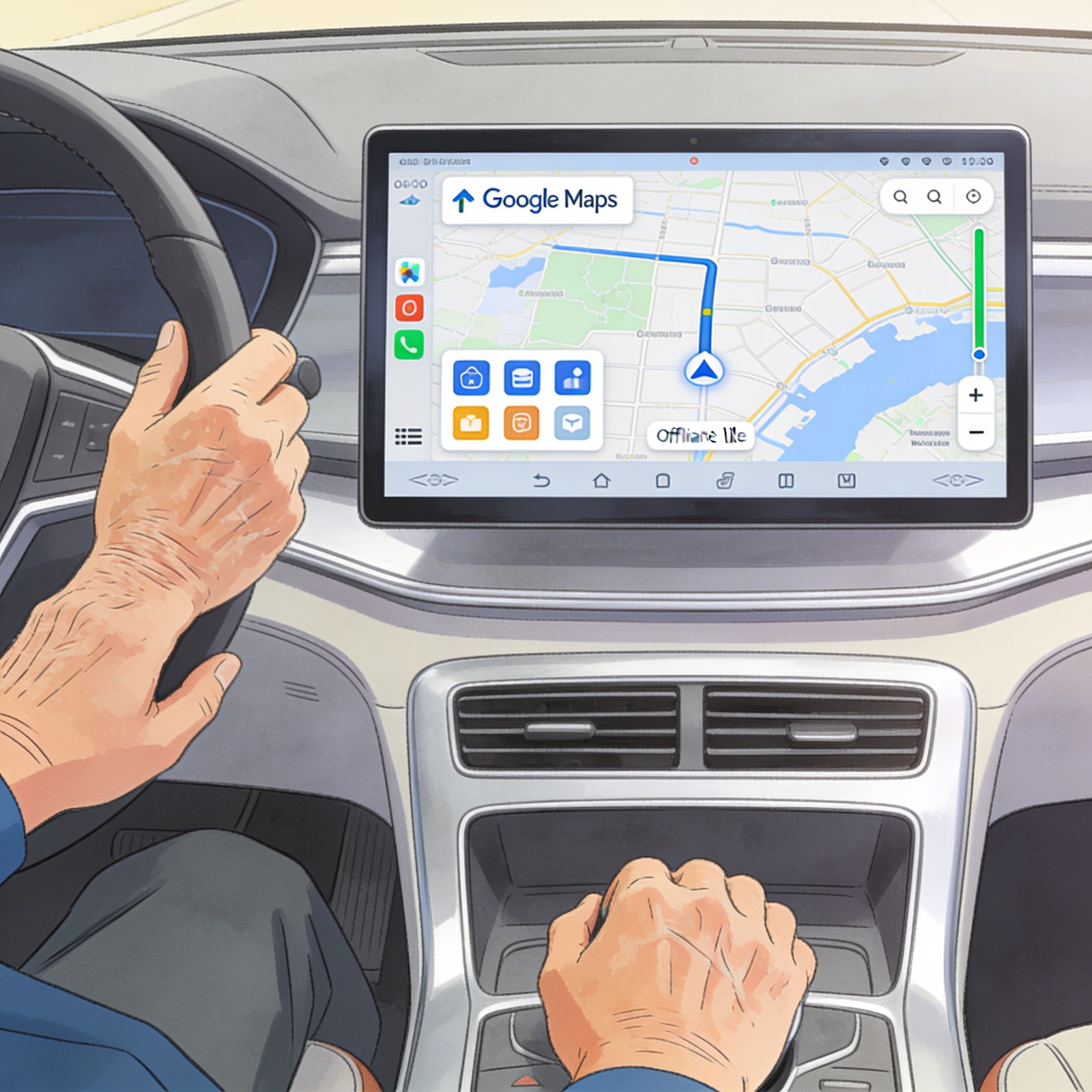
Google Maps is being highlighted as an ideal navigation solution for older drivers due to its simplicity and reliability. An article published on November 7, 2026, by Engadget notes that while many GPS applications exist, this specific platform stands out for users who prioritize clarity over flashy features.
The primary advantage cited is the clean user interface. Unlike competing apps such as Waze, Google Maps avoids constant pop-ups and aggressive alerts. This reduction in visual noise allows drivers to focus on the road rather than deciphering whether a notification indicates police activity or standard traffic conditions. The app provides essential location details, including business hours and crowd levels, without cluttering the screen.
For drivers planning trips to unfamiliar locations, the application offers robust time management features. Users can input a specific arrival time, such as a medical appointment, and the app calculates the necessary departure time based on typical traffic patterns for that hour. Real-time traffic data is presented using a simple color system: green indicates clear roads, yellow shows slower sections, and red marks heavy congestion.
Voice directions remain consistent throughout the journey, announcing turns and street names to minimize the need to look at the device. If a driver misses a turn, the route recalculates automatically. A critical feature for rural travel or areas with poor connectivity is the ability to download offline maps. By selecting a specific area via the profile menu, users can save map data locally. While these saved maps do not provide live traffic updates, they ensure navigation continues when cellular signals are weak.
Beyond driving, the app includes settings designed to assist those with mobility challenges. Through the App & Display settings, users can enable options that highlight wheelchair-accessible entrances, seating, and parking spots. The platform also assists with finding amenities like gas stations or restaurants by displaying reviews and menu details before a trip begins.
While the article acknowledges that Waze excels at crowdsourced incident reporting, it notes that Google Maps offers broader utility for walking and public transit use. Most core functions are available immediately upon installation on Android devices or via the Apple App Store, requiring minimal setup for most users.
This recommendation suggests that technology companies should prioritize usability and reduced cognitive load when designing tools for aging populations. For readers managing family members or personal needs, the availability of offline maps and clear voice guidance could significantly reduce travel anxiety in remote areas or during bad weather.
However, the reliance on pre-downloaded maps for offline use means users must plan ahead if they expect to travel outside of signal range. Additionally, the absence of aggressive real-time alerts may mean some drivers miss immediate hazards that other platforms would flag instantly. The choice ultimately depends on whether a driver values proactive hazard warnings or a streamlined, distraction-free experience.
Do you prefer a navigation app that prioritizes a quiet interface or one that constantly updates you with real-time traffic incidents?