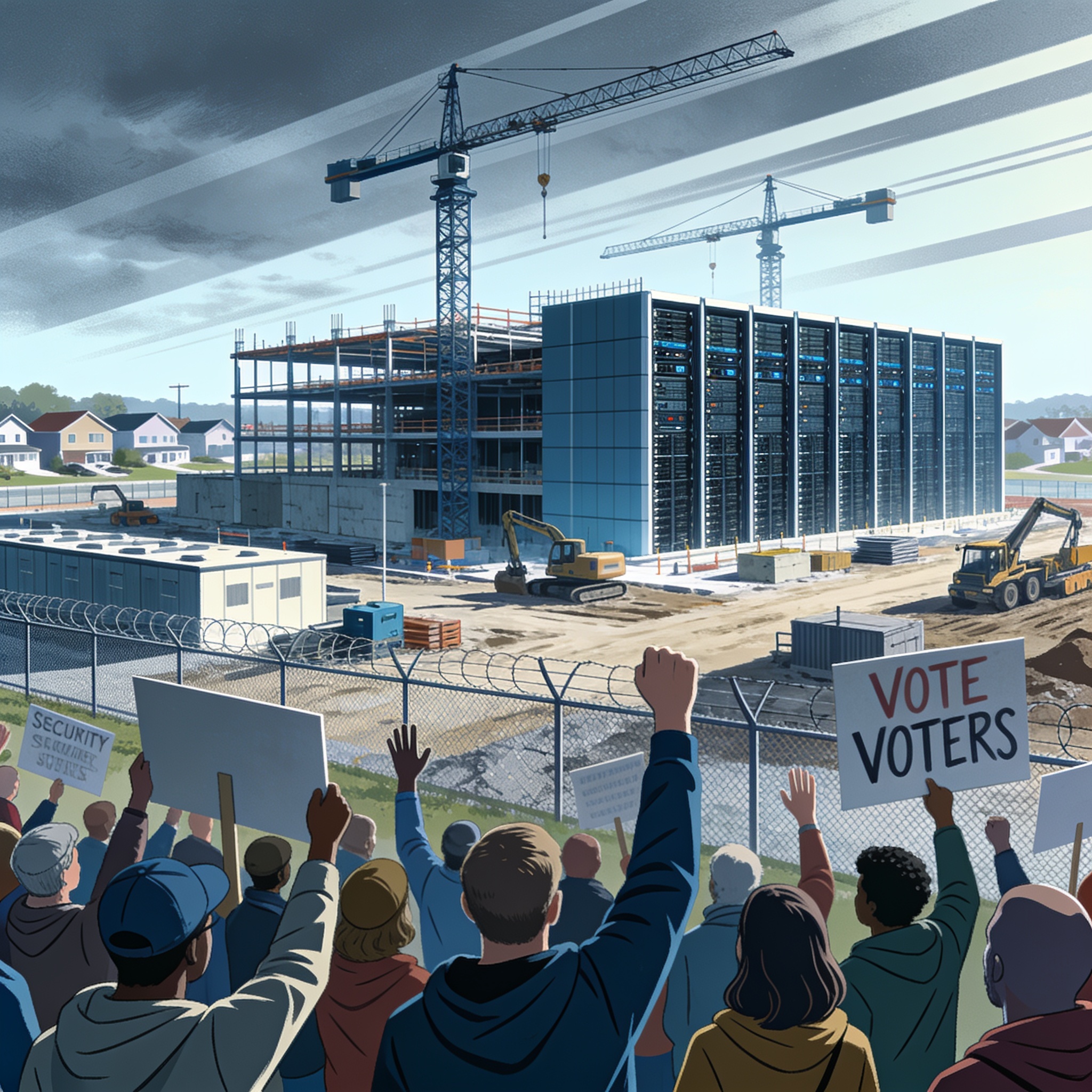
Data center proponents suffered near-total defeats in more than 40 voting initiatives nationwide during the midterm election cycle. These ballot measures typically sought to streamline approval processes for large-scale computing facilities that support artificial intelligence operations.
The backlash appears driven primarily by economic concerns rather than opposition to technology itself. American voters increasingly blame data centers for straining household budgets through rising utility costs. Communities are questioning whether the promised economic benefits outweigh the financial burden on residents.
Big tech companies have found themselves at the center of this political friction. The issue extends beyond simple zoning disputes into broader debates about AI infrastructure placement and its impact on local resources. Some initiatives also addressed related concerns such as surveillance camera networks and drone usage tied to these facilities.
The election results demonstrate that data center development has become a significant political issue for voters. While specific policy details varied by region, the consistent pattern of rejections suggests widespread skepticism about current approaches to expanding AI infrastructure without addressing community cost concerns.
Tech industry representatives continue to argue that data centers are essential for technological advancement and economic growth. However, the electoral outcomes indicate that developers must better address local objections regarding energy consumption and utility rate increases before seeking further expansion.