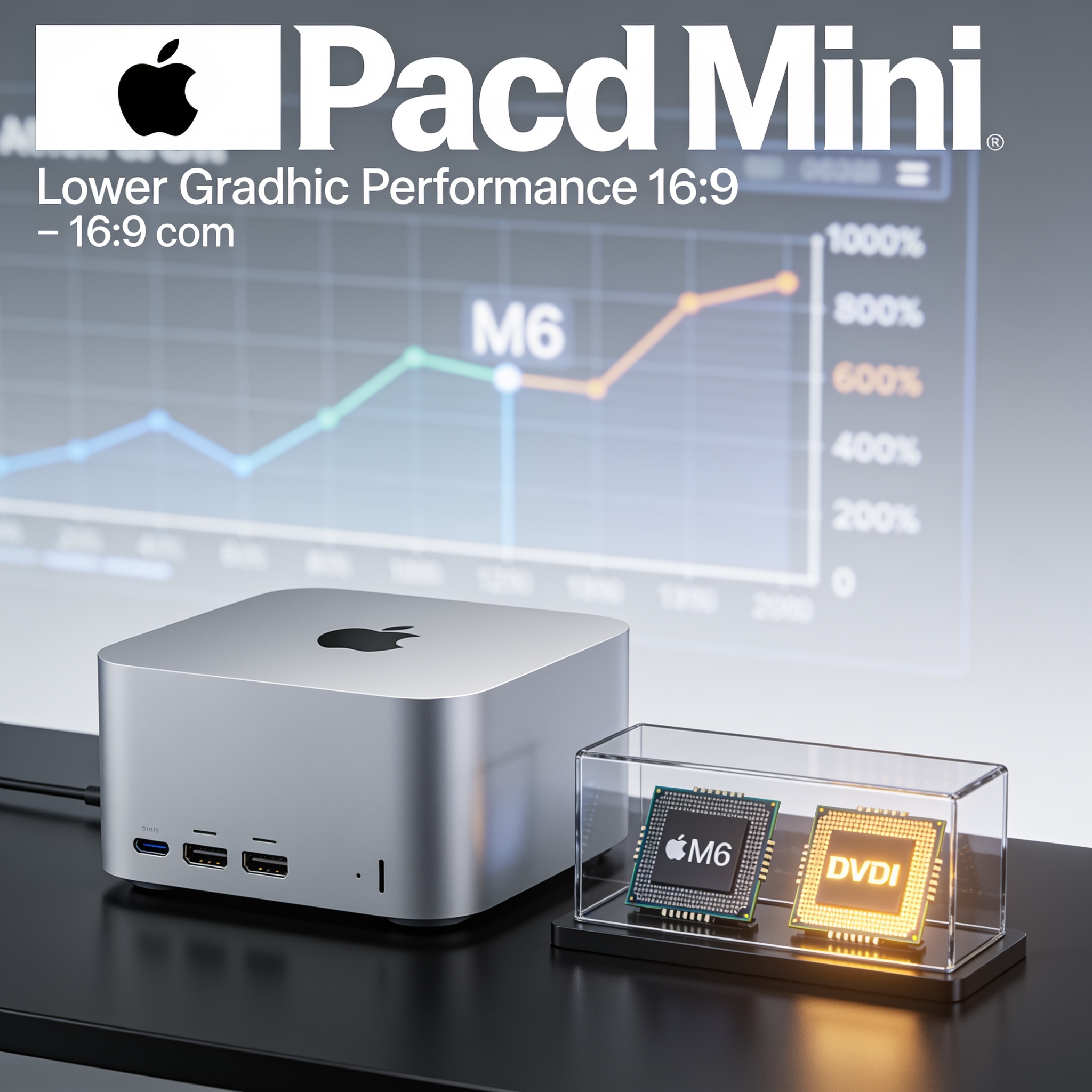
Apple has officially introduced the M6 chip alongside a refreshed Mac mini, marking the sixth generation of its proprietary silicon for Macs. The company describes the new processor as delivering substantial improvements in CPU power and overall efficiency. Initial review testing confirms the machine performs reliably for photo editing and 4K video transcoding without issues.
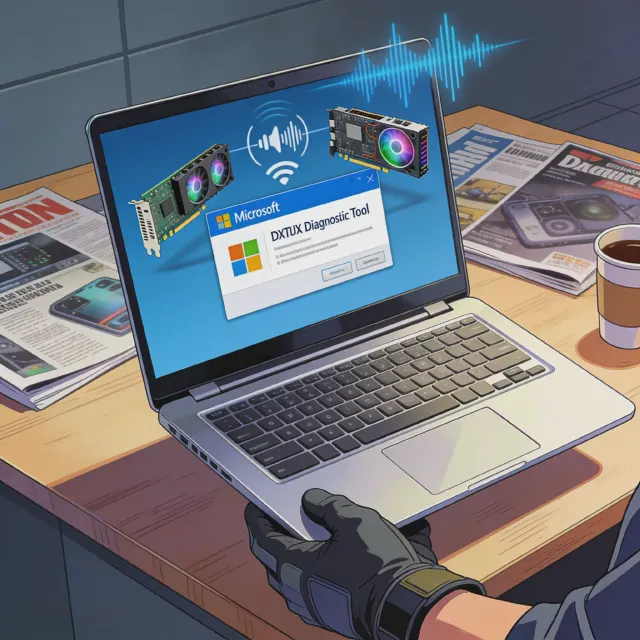
Despite these claims, the M6 faces stiff competition from NVIDIA's dedicated graphics processing units when it comes to graphics-intensive workloads. Unlike the M6, which integrates 12 CPU and 12 GPU cores into a single package, NVIDIA GPUs rely on external CPUs and offer higher raw performance for specific tasks. Most PC users require a dedicated GPU for meaningful gaming performance, as integrated chips typically suffice only for streaming and light gaming.
Benchmark data highlights the disparity between the two technologies. Geekbench OpenCL scores suggest the M5 Ultra aligns roughly with NVIDIA's GeForce RTX 4080, which carries a Metal score of 366,744. In contrast, the M6 registers a Metal score of 93,217, representing nearly four times less graphical throughput. This gap is significant because the RTX 4080 represents architecture from 2022, while newer RTX 50-series cards are already pushing limits in modern titles. By 2028, rumored RTX 60-series cards may further widen this divide.
For gamers specifically, the M6 averages 55 frames per second in Cyberpunk 2077 using default Mac quality settings. While smooth enough for many players, this falls short of what high-end dedicated GPUs can achieve at maximum detail levels. For non-real-time tasks like video exports, the performance difference remains minor, often amounting to only a few seconds.
Cost remains the primary advantage for Apple's silicon. The base model Mac mini starts at $900, a $300 increase over the previous generation. However, building a comparable PC requires purchasing an RTX 5060 or better, which costs over $450 alone, plus additional components for a functional system. High-end RTX 5080 cards exceed $2,000, a price point that could purchase a MacBook Pro outright.
Compatibility also plays a role in the decision-making process. macOS supports a robust library of productivity applications, but most games remain PC-first due to both hardware availability and customer base size. Users seeking console-like simplicity for gaming might consider alternative hardware like Valve's Steam Machine, which utilizes custom AMD hardware.
What it means
The release of the M6 chip solidifies Apple's position in the laptop and desktop market for general productivity and creative professionals who prioritize battery life and ecosystem integration. For users focused on video editing, coding, or daily office tasks, the M6 offers sufficient power without the need for expensive add-ons.
However, individuals whose primary use case involves high-end gaming or professional 3D rendering will likely find the M6 lacking compared to Windows-based systems equipped with dedicated NVIDIA GPUs. The architectural differences mean that software optimized for DirectX 12 or Vulkan cannot run natively on macOS, limiting game availability regardless of raw horsepower.
While the M6 provides a cost-effective entry point for computing, the long-term value proposition depends heavily on usage patterns. Those who plan to upgrade their hardware every two years may save money with the Mac mini, whereas enthusiasts seeking maximum graphical fidelity will need to look elsewhere.
Would you choose the cost savings of the M6 Mac mini over the raw graphical power of a dedicated NVIDIA GPU for your next computer?