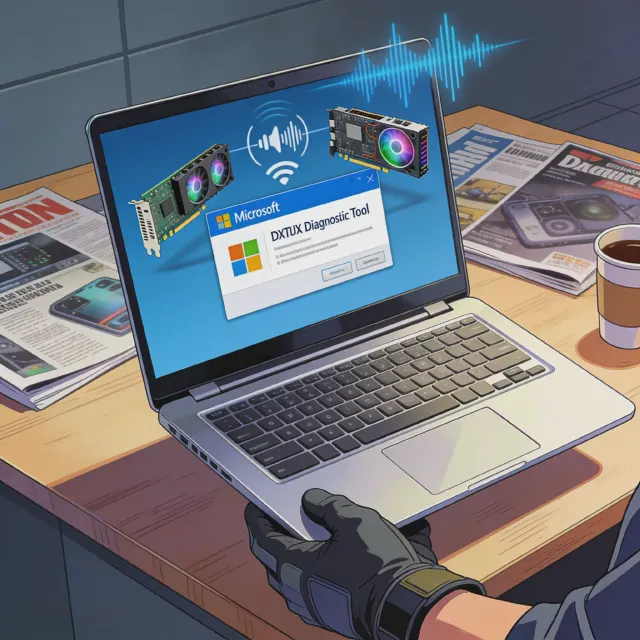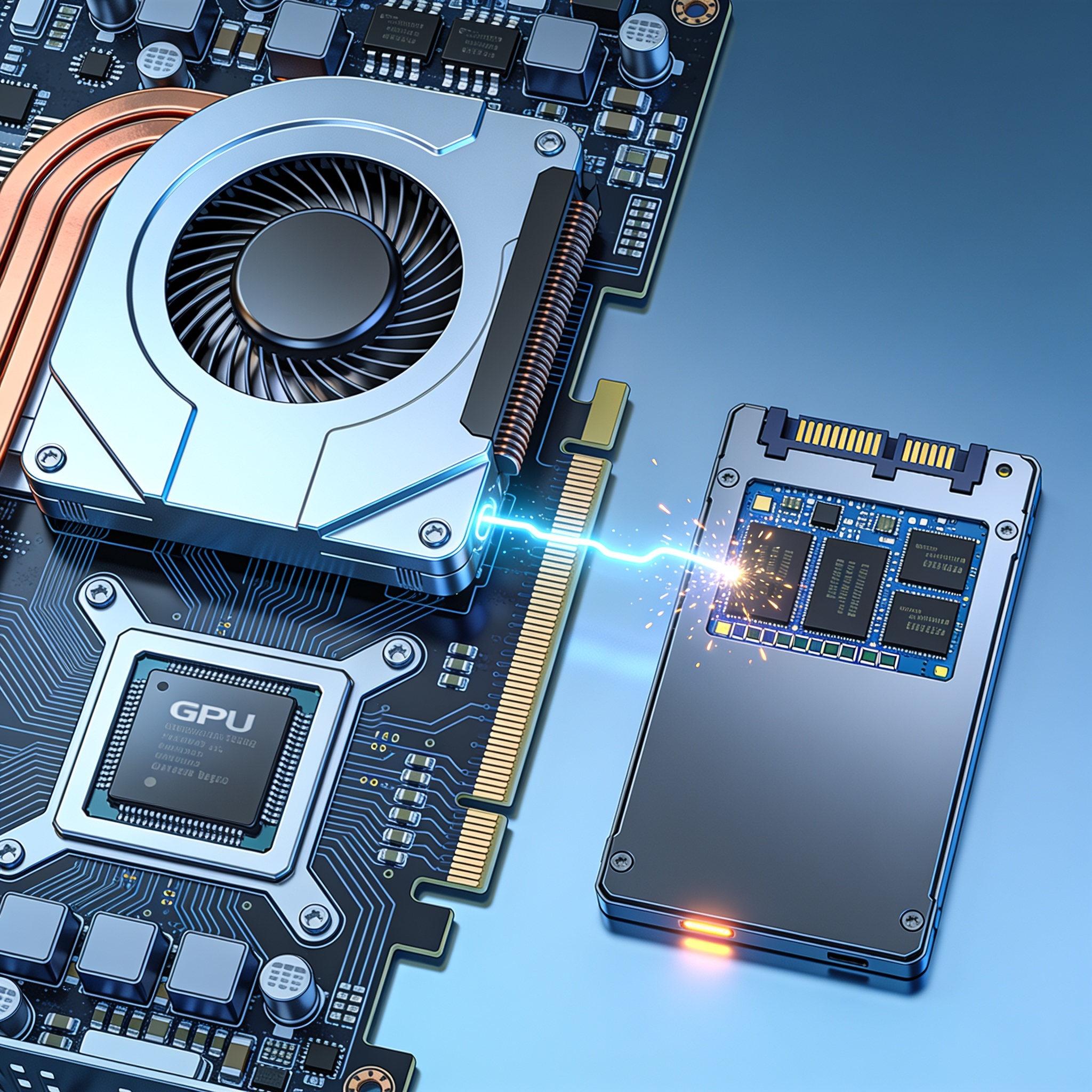
AMD is developing a software update to correct a driver bug that causes excessive writing to solid-state drives across its Radeon GPU lineup. The problem stems from two background services: AMD External Events Client Module and Utility, identified as atieclxx.exe and atiesrxx.exe under Windows processes.
Users have reported significant data write volumes linked to these processes. Reports indicate some systems generated up to 432GB of writes within a single day. This activity accelerates wear on SSDs, potentially reducing their operational lifespan by approximately 1% per month according to PC Gamer analysis.
The issue was first documented on technology news sites including Tom’s Hardware and Neowin. Some Reddit users noted the problem may have existed for nearly a year and a half in certain cases, causing noticeable degradation.
An AMD spokesperson directed inquiries to a company help article regarding Adrenalin Edition driver software. While initial reports suggested broad model impact, the official documentation indicates only Radeon RX 7000 and 9000 series products are affected. The company states the issue occurs when systems remain idle and confirms active work toward a resolution.
Company staff members posted on Reddit suggesting a fix could arrive with the next Adrenalin Edition release, version 26.11.1. The knowledge base page notes updates will follow once a solution is available.
Community members proposed several temporary mitigation strategies. Users can check the Windows Resource Monitor Disk tab for excessive writing from the specific AMD processes. Some disabled the AMD External Events Utility entirely through the Windows Services management console. Others attempted disabling Resizable Bar or switching to alternative AMD drivers compatible only with AMD chipsets.
These workarounds carry risks. Disabling the software might affect display functions or game performance. Modifying system settings requires caution, and creating a restore point before changes is recommended.
What it means
This situation highlights how background services can silently impact hardware longevity. Users with affected GPUs face potential costs if their drives degrade significantly, especially given recent price increases for solid-state storage.
Owners of Radeon RX 7000 and 9000 series cards should monitor their drive health. Until AMD releases the official patch, those experiencing issues may need to weigh the convenience of background monitoring features against the risk of accelerated SSD wear. Uncertainty remains regarding whether all affected units will require manual intervention or if the upcoming driver update resolves the matter completely.
Have you noticed unusual disk activity on your system, and would you disable AMD background services to protect your SSD?