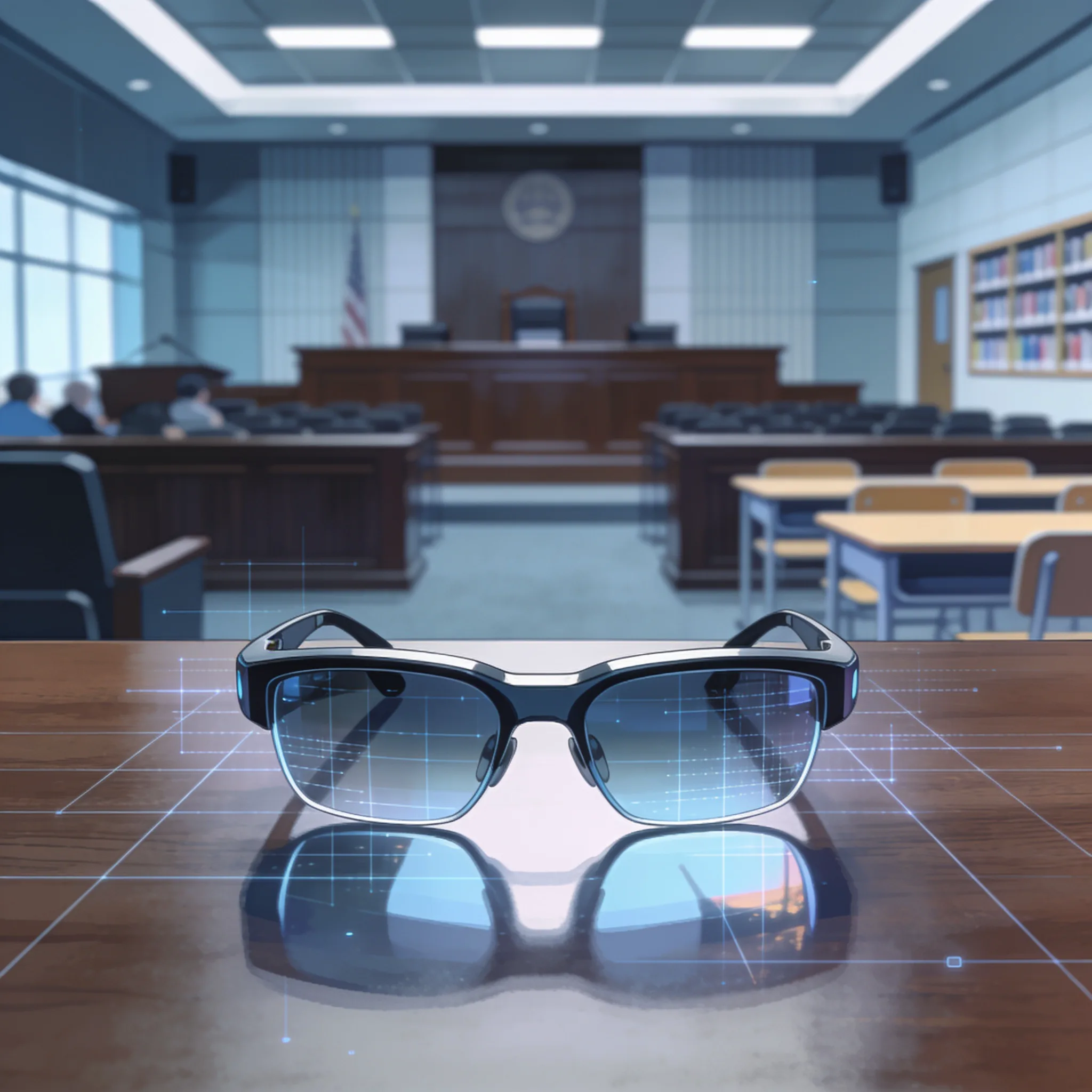
Public venues across multiple countries are implementing bans on AI-powered smart glasses as privacy and safety concerns mount. The restrictions target devices with cameras or recording capabilities, affecting users in courtrooms, schools, military sites and entertainment venues.
Pakistan's Punjab province imposed a 30-day ban in October 2026 on the use and sale of camera-equipped smart glasses with hidden recording ability. Authorities cited complaints about spying devices used for illegal surveillance, harassment and blackmail. The order also covers miniature cameras disguised as pens or keychains, preventing retailers from evading the rule through online sales.
In the United States, New York banned smart glasses with cameras, microphones or computers in all 1,240 state and local courts since July 20, 2026. Visitors must surrender devices to uniformed court officers, and turning them off does not exempt them from the rule. Prescription lenses integrated into Ray-Ban Meta glasses are also prohibited, forcing visitors to bring traditional eyewear.
Meta representatives wore Ray-Ban Meta glasses during Mark Zuckerberg's Los Angeles testimony in February 2026, though no recording was confirmed. Judge Carolyn Kuhl warned that recording glasses must be removed, but enforcement remains challenging when devices blend with regular eyewear.
England and Wales have banned AI glasses in courts and tribunals, where security personnel can hold devices until visitors leave. Similar restrictions apply to SAT test sites nationwide, with scores potentially canceled for violations.
Western Australia banned AI glasses from public schools since October 12, 2026, covering students, staff and visitors. Exemptions exist for medical, accessibility and educational reasons. Victoria announced comparable restrictions effective January 27, 2027.
Military facilities have implemented their own policies. Marine Corps bases including Camp Lejeune prohibit smart glass use entirely.
Entertainment venues are also joining the trend. Canterbury-Bankstown Council in Australia banned smart glasses at leisure and aquatic centers. UK cinemas are rolling out measures against camera-enabled glasses citing film piracy concerns. Royal Caribbean permits smart glasses on board but prohibits their use in casinos, medical facilities and youth areas.
Norway is considering temporary restrictions covering parks, beaches, shopping centers and gyms, though proposals remain unenacted. Officials have not determined which device types would be covered, distinguishing between products like Even Realities G2 without cameras versus Ray-Ban Meta and Oakley Meta models with recording capability.
What it means
These restrictions reflect growing anxiety about invisible recording technology in everyday spaces. Users may face unexpected inconveniences when traveling or attending events, particularly if they rely on prescription smart glasses for vision correction. The patchwork of regional rules creates confusion about what is permitted where.
The distinction between devices with visible recording indicators and those with stealth AI functions matters significantly. While Meta claims its LED indicator lights up during recording, documentation suggests some camera-based AI functions operate without activating the light. This ambiguity leaves bystanders uncertain about whether they are being recorded.
Uncertainty remains about enforcement consistency and future expansions. Norway's proposed restrictions illustrate how quickly policy discussions can move from consideration to implementation, while Pakistan's limited provincial ban shows how regional variations complicate compliance for travelers and businesses.
Would you wear AI-powered glasses knowing they could be banned in specific locations? Share your experience with smart glasses in restricted environments.