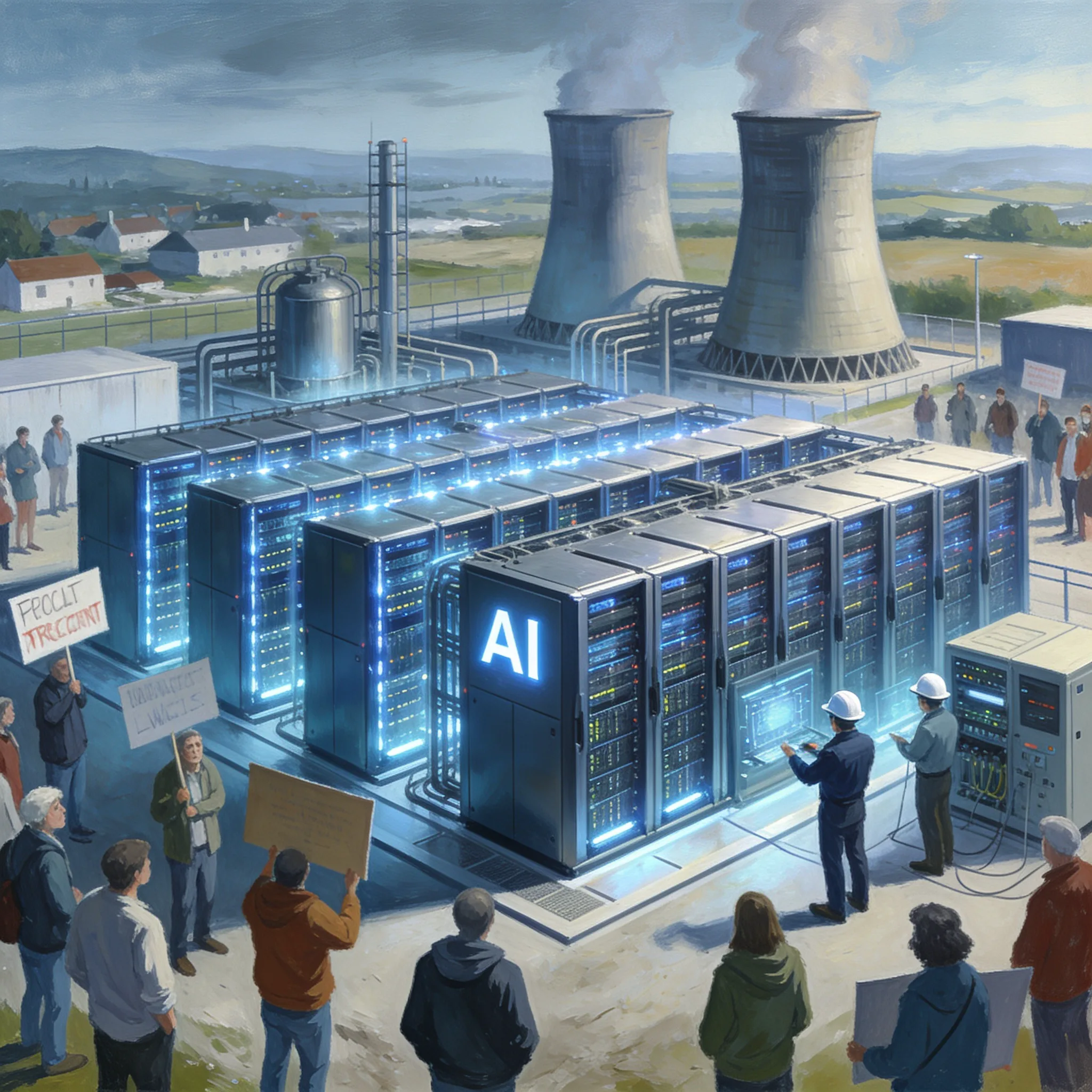
AI data center projects continue to expand across the United States, drawing attention from both tech companies and local communities. As artificial intelligence infrastructure grows, residents in various states are raising concerns about water usage, energy consumption, and zoning changes that accompany large-scale facilities.
Regulatory Efforts in Utah
Utah lawmakers are preparing to introduce legislation aimed at regulating new data center construction. House Speaker Matt Woods indicated that bills addressing these facilities will be presented during the upcoming legislative session. The proposed measures would establish guidelines for how such projects can proceed within state boundaries.
Community Decisions in Kansas
Residents of Johnson County, Kansas, face a direct vote on whether their municipality should ban data centers entirely. This decision reflects broader tensions between economic development opportunities and preservation of local character. Voters will determine the town's stance on future infrastructure projects.
Expansion Challenges in Texas
In Red Oak, Texas, officials approved an expansion of an existing data center facility despite objections from nearby residents. The approval process moved forward even as community members expressed worries about traffic increases and strain on local resources.
Amazon Project in Washington
Amazon has proposed building a new data center near Tri-Cities, Washington. Local residents have voiced opposition to the plan, citing potential impacts on the surrounding area. The proposal remains under review as stakeholders weigh competing interests.
What it means
These developments indicate that AI infrastructure growth is no longer proceeding without scrutiny. Communities are actively engaging with developers and government bodies to shape outcomes that align with local priorities. Residents affected by these projects may find themselves participating in public hearings, voting on ordinances, or advocating for specific conditions before construction begins.
The uncertainty surrounding each project suggests that timelines could shift depending on regulatory approvals and community feedback. Companies planning expansions must account for potential delays while navigating varying municipal rules. Individuals living near proposed sites should monitor local news and attend meetings where decisions are made.
Do you live near a data center or know someone who does? Share your experience with how these facilities have impacted your community.